Stone, Chalk, Code

Arush's grandfather was a mason. He worked with his hands, and what he earned went into his son.

That son — Arush's father, Ram Rattan — got further. He finished a degree and became a government teacher, and he teaches drawing at a school in the hills of Sirmour. He would have kept studying. There was no money for more, so he stopped where he stopped, and what he had went into his own sons.

That is how it goes in a family like this one. Each generation reaches a little past the last and hands on what's left. It works. It is just very slow.

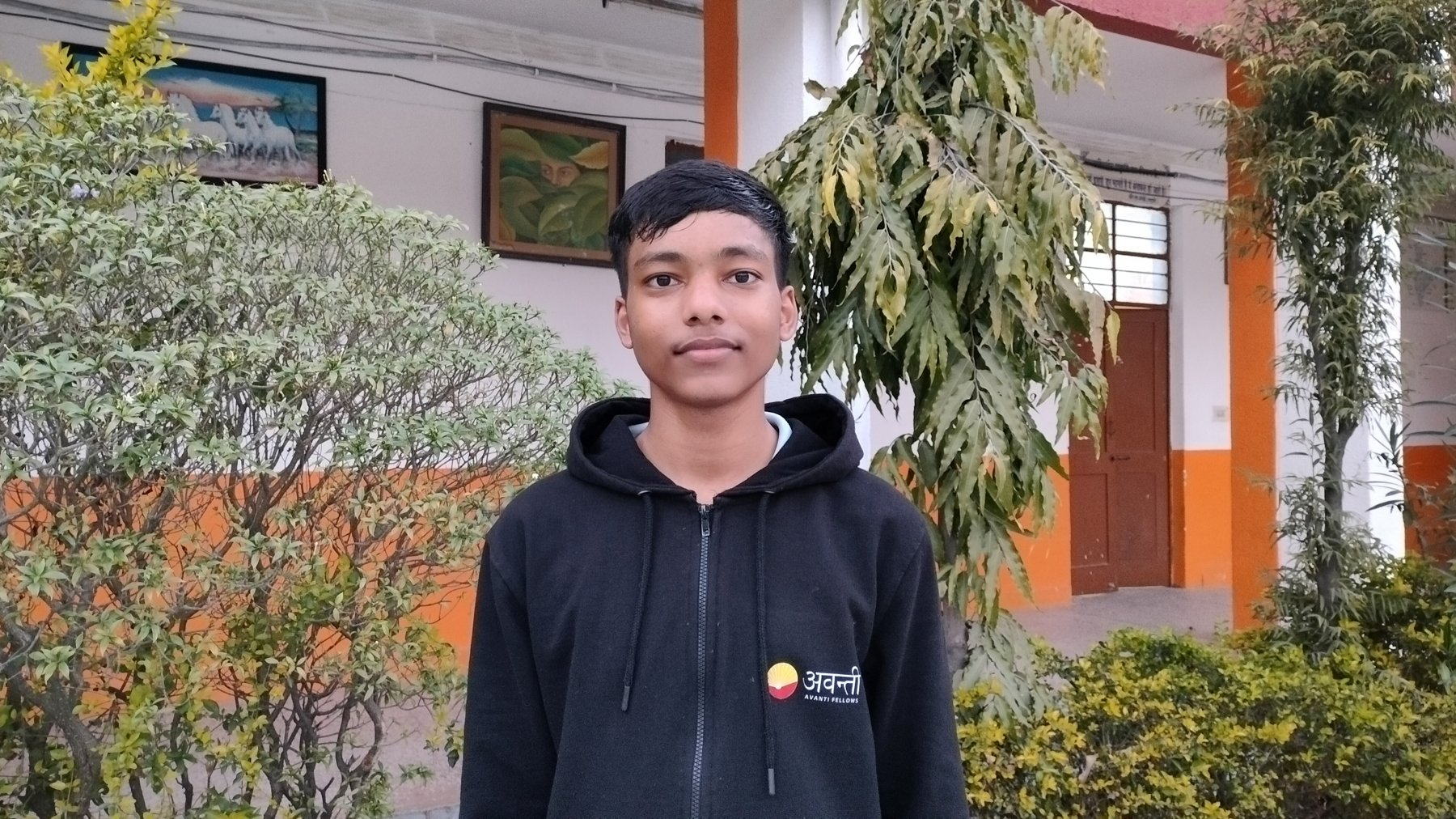
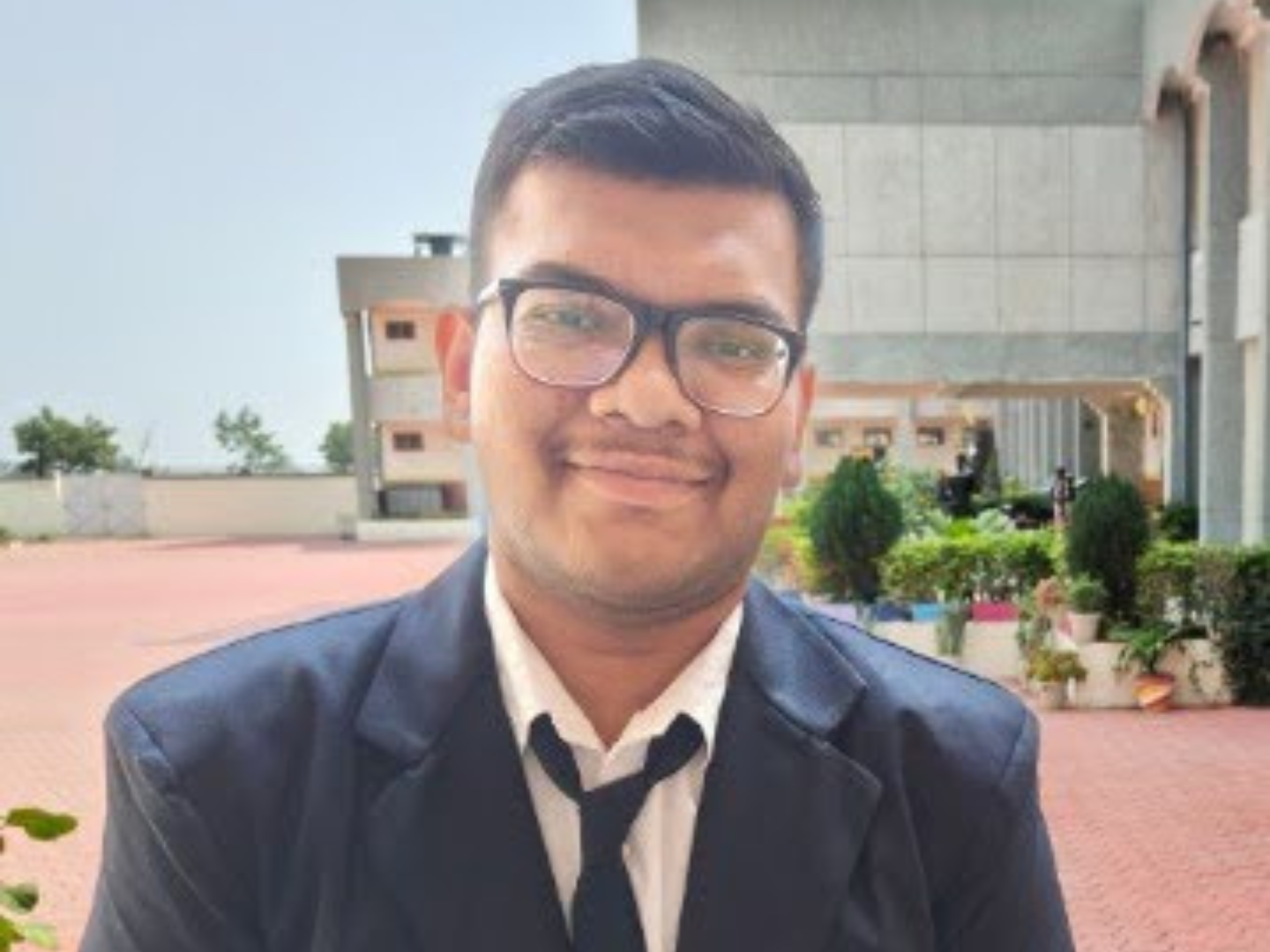
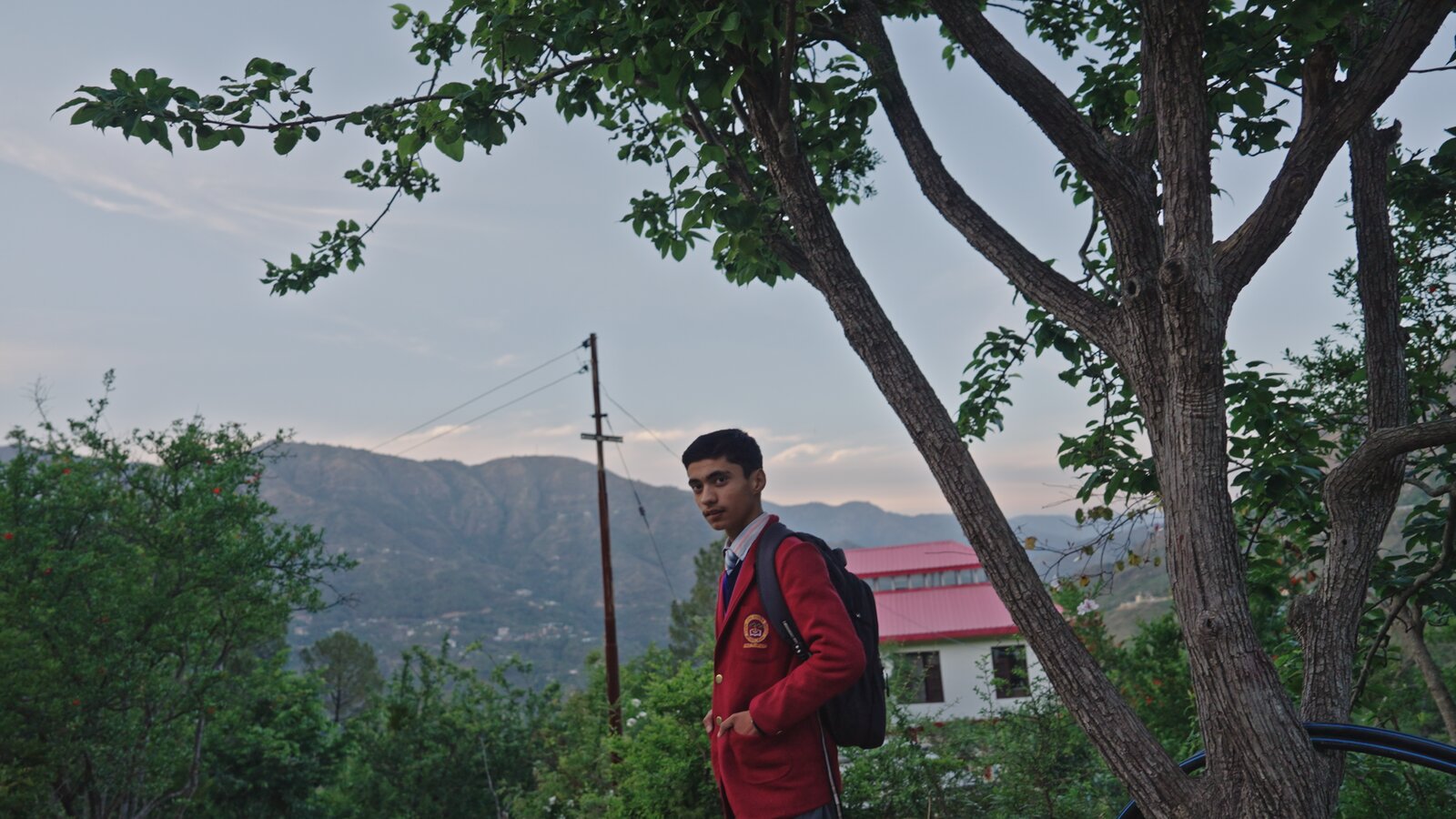
Which brings it to Arush, in Kathla Johri — a village in Pachhad, twenty-five or thirty kilometres out from Solan. His mother finished class 10 and runs the house. He has a younger brother. They own their home, and by the standards of the families Avanti works with they are steady. The obstacle here was never money.

It was that nobody knew what came after chalk.

‍

The edge of what he knew

Ask around the village what the children there expected to become and the answer comes back plainly: labour. You work where the money is, because that is where the money is.

Arush had wanted something technical since he was small — he says the interest was there from childhood. But an interest isn't a path. He didn't know what the work was called, what you studied to get it, or how a boy in Pachhad would go about any of it. So when he pictured his future, what he saw was a teacher. Like his father. Not chosen over the alternatives. There simply weren't any he could see.

The ceiling wasn't money. It was the edge of what he knew existed.

He is very good at mathematics. He got 100 in it in class 10, and again in class 11, where he finished with a 97 per cent average across physics, chemistry and maths. He has been near the top of his class his whole life. None of that, by itself, told him there was anywhere to take it.

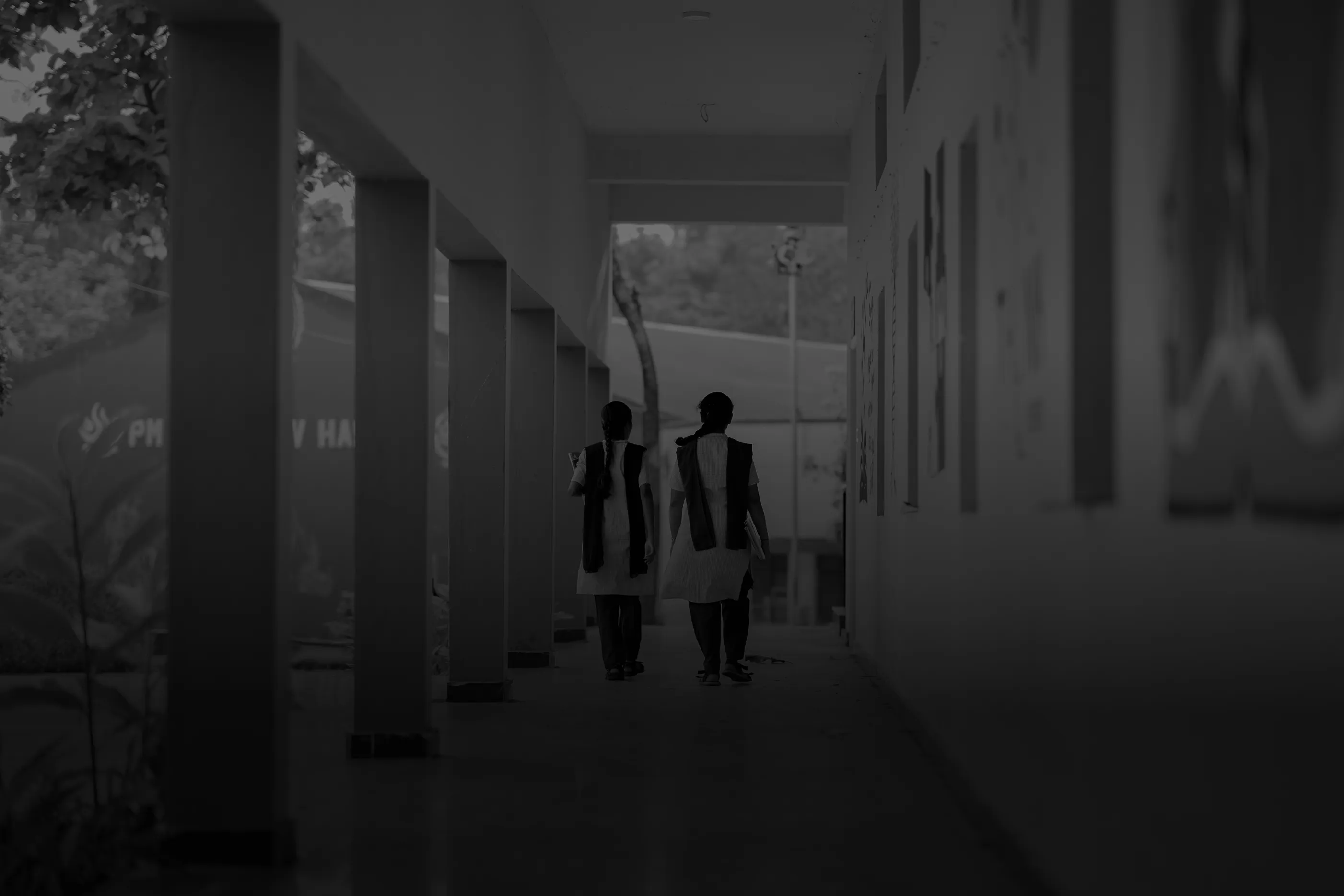
To study science at all he had to change schools. The new one was an hour and a half away.
‍

Twenty-five sat the test

It was at that school that Arush first heard three letters. Then, not long after, that Avanti Fellows was running a selection test.

Twenty-five students from his school sat it.

One got in.

He is direct about how little he knew at the time:

At that time I didn't even know the full form of JEE. What it was — nothing. I found out about JEE because of Avanti. And when I cleared JEE, the people in my village also found out that JEE is even a thing.

Nobody nearby could have told him. There isn't a coaching centre anywhere within reach of Kathla Johri, and the handful of people around there who had ever attempted the exam had gone through expensive private colleges to do it. Later, a coaching centre in Shimla rang to recruit him. He turned them down. He was already studying with Avanti and he liked how they taught.
Home at 5:45, class at seven

Here is his day.

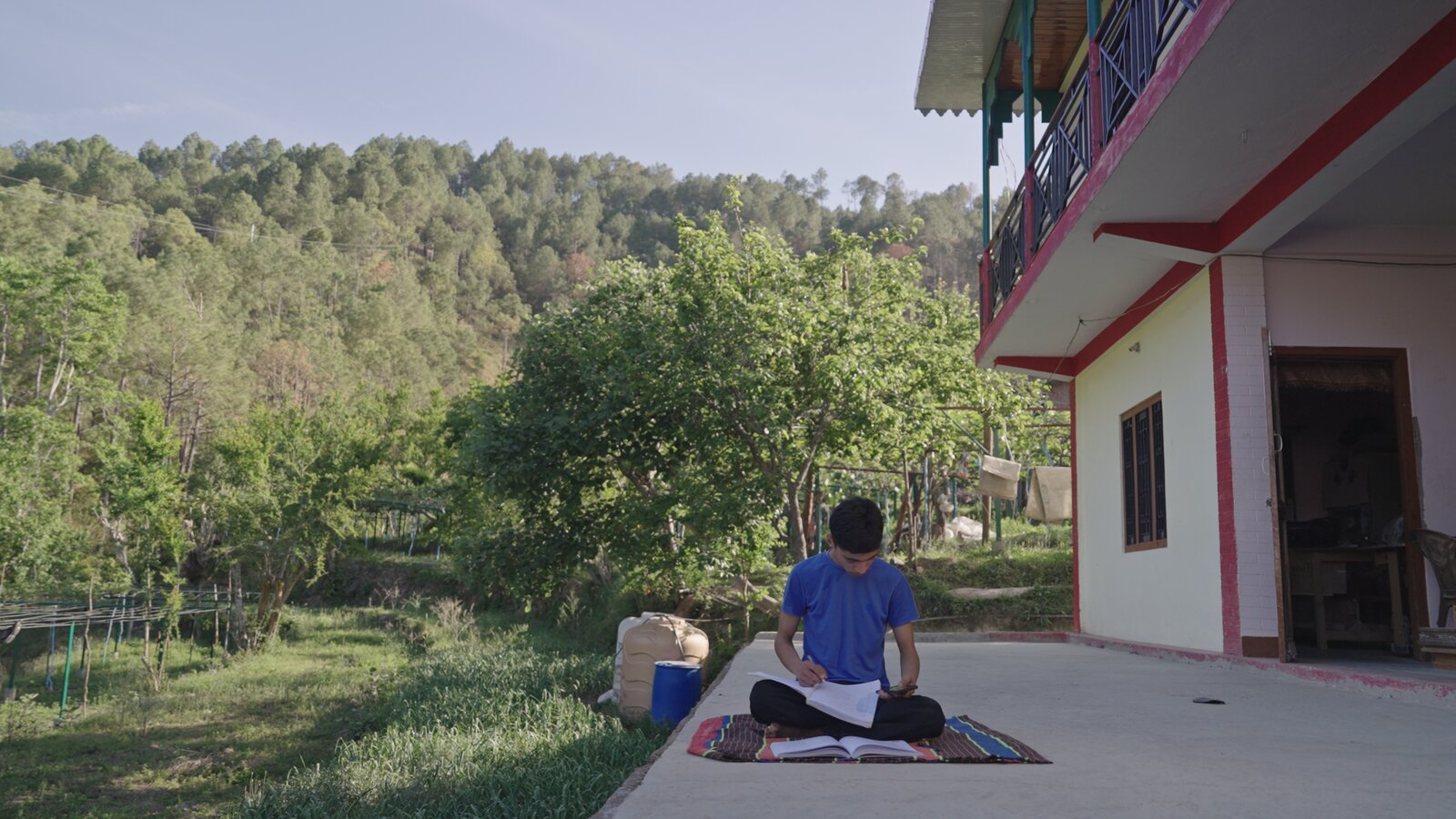
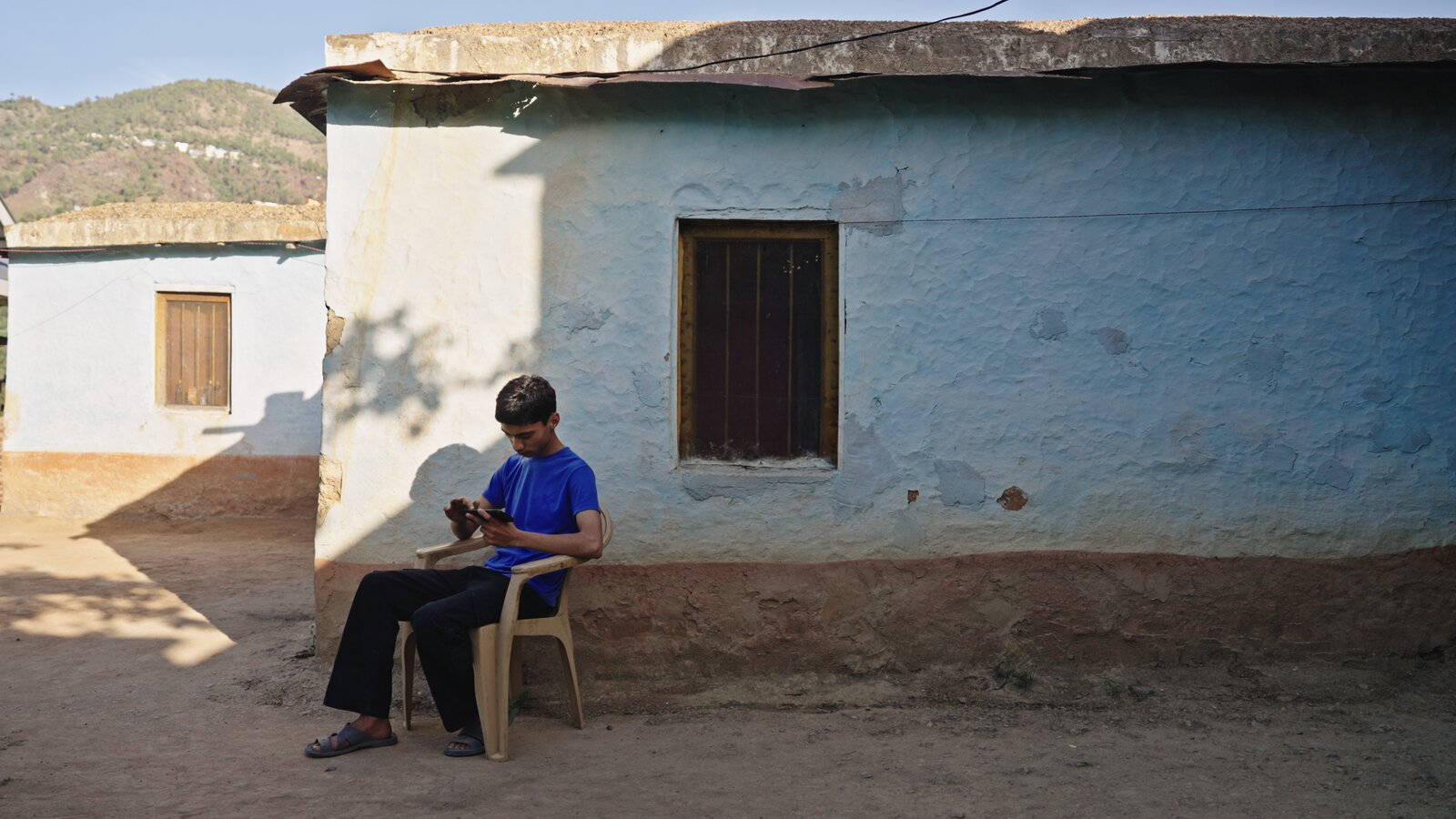
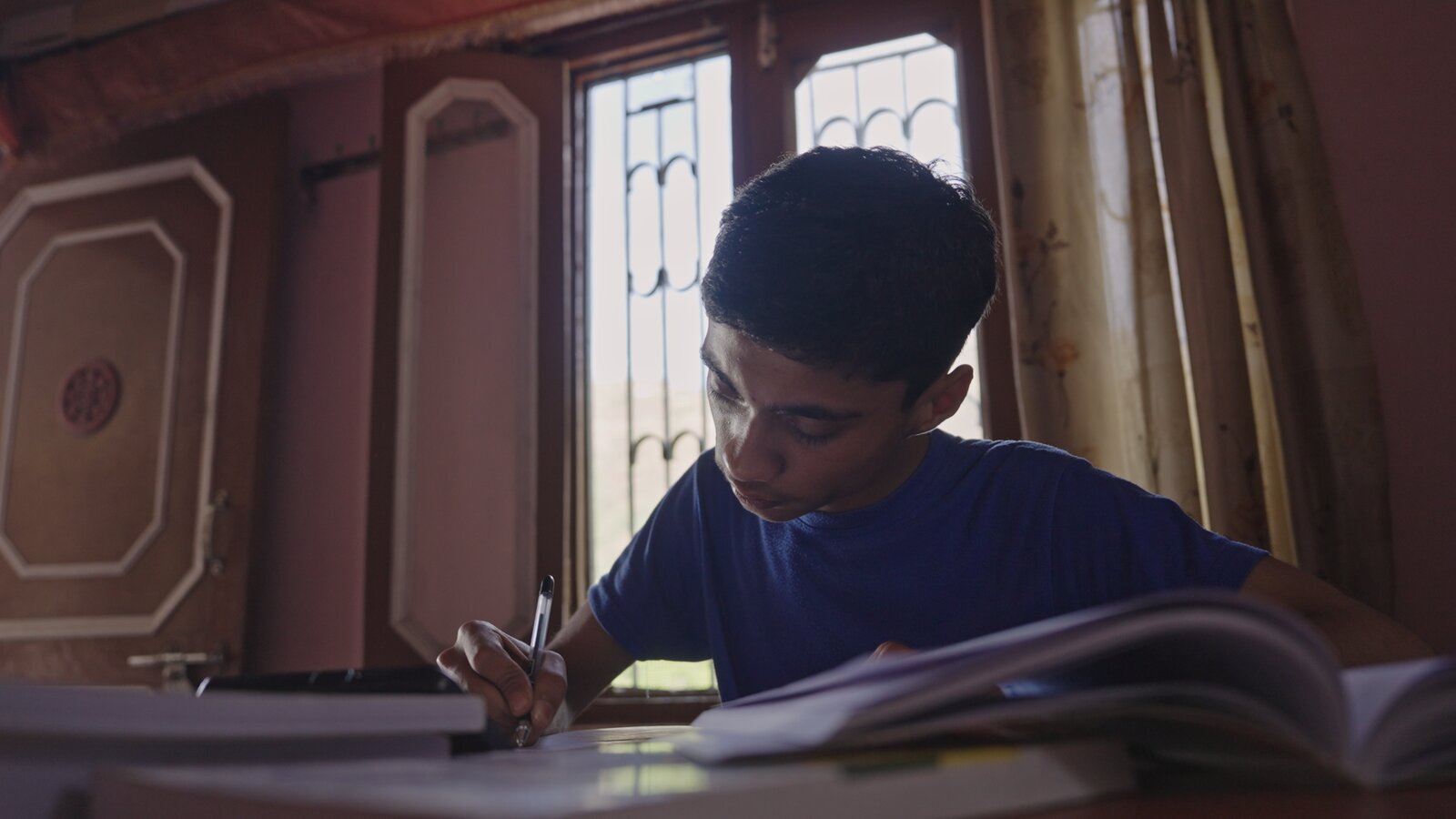
Up at five. School work until it's time to leave. Ninety minutes on the road, out of the house by half past eight. School. Ninety minutes back, through the door at quarter to six. Avanti's live classes from seven until ten. Then his own work, ten until eleven.

He does not own a phone. He attends every one of those classes on his mother's or his father's.
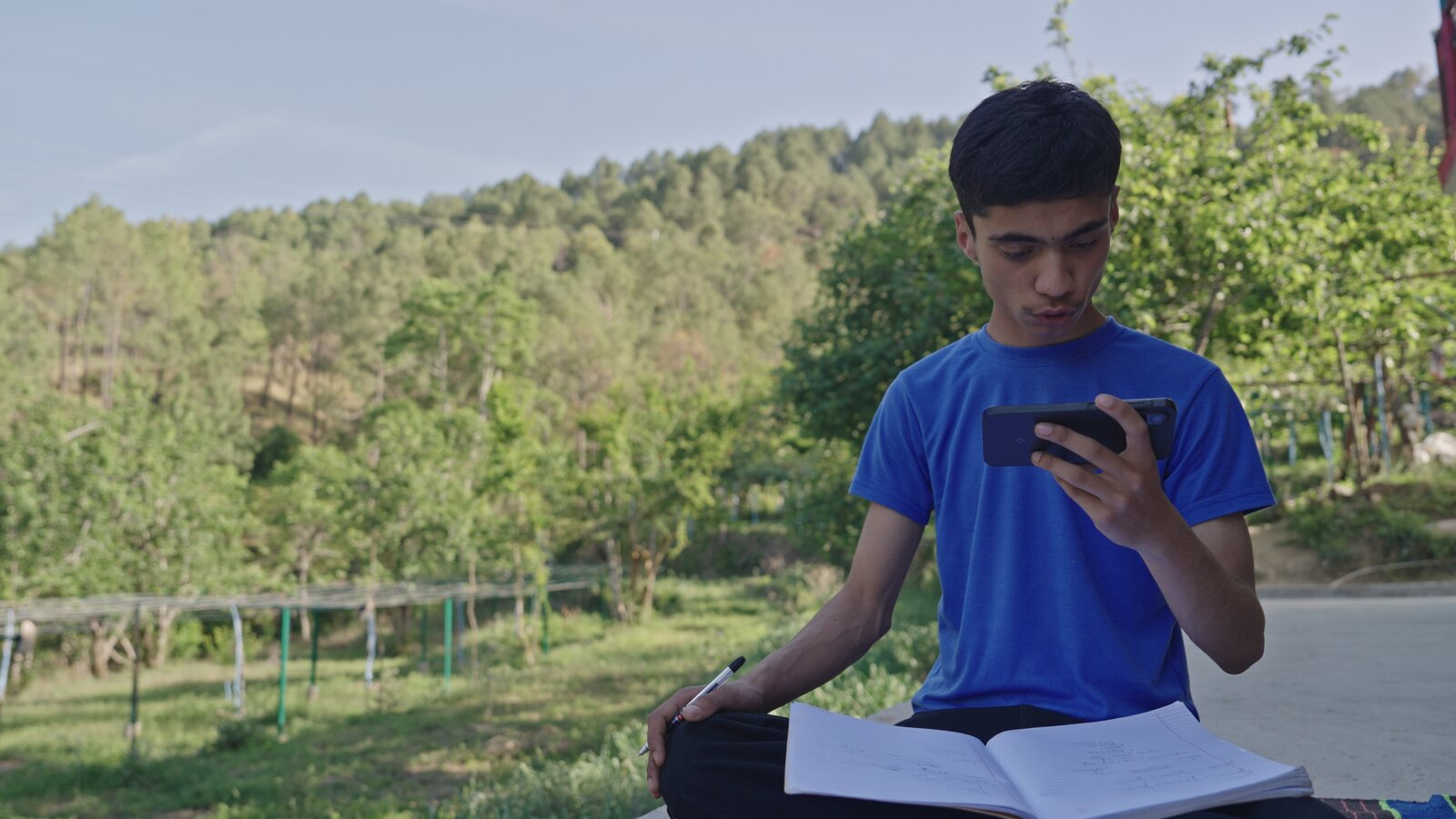
His attendance across the year was above ninety-five per cent.

What he valued most, he says, was the time it gave him back — no travelling to a class, no cost, just the studying. A timetable built for him specifically. Recordings, for the nights the day had already taken too much. A test every Sunday on the week's work, and the analysis of it in his hands by Monday.

His mother watches his studying closely and goes to the school herself to keep up with how he's doing. His father — a teacher, in the same profession Arush had assumed was the whole horizon — helps him with the hard topics, and turned up to the parents' meeting to say the teaching was some of the best he had seen.

His mentor puts it more plainly than he does. Arush's journey, she says, was not smooth at all, because he comes from a place with no coaching anywhere near it. What changed after he joined was that he worked out he had it in him. And then, about the result: his clearing JEE mattered even more to me than it did to him.

He placed in the 91st percentile. He is now at NIT Hamirpur, reading Mathematics and Computing.

Which is the part worth sitting with. Not just that he got in — that of all the things he could have ended up doing, he is spending the next four years on mathematics and computing. The subject he was always best at, the one he scored 100 in twice, pointed at exactly the technical work he'd wanted since he was a child and had no name for. He is the first person in his family to go to an engineering college.

‍

What reached Kathla Johri

Stone, then chalk, then this.

Each generation of Arush's family went as far as its circumstances allowed and handed the rest to the next one. Left alone, that arithmetic still gets there — a family like his arrives eventually. It just takes two more generations, or three, before someone has both the means and the information to sit an exam like JEE and clear it.

What your support did was collapse that into one.

Not by giving him ability; he had that, and 100 in maths twice over to prove it. By putting the thing itself within reach — a selection test that came to his school, teachers on a screen at seven in the evening, a mentor who knew which weakness to go after first. And, before any of it, the plain information that an exam called JEE existed and that a boy from Kathla Johri was allowed to sit it.

His father doesn't frame it as something that happened to his family. He frames it as something that happened to the village. Slowly, step by step, he says, people here can move forward. And it lands on the children coming up behind — the ones nearby, watching. That boy did it, so we have to do it too.

His grandfather cut stone. His father went to the same school Arush did, and wanted to keep studying, and couldn't.

His son is going.
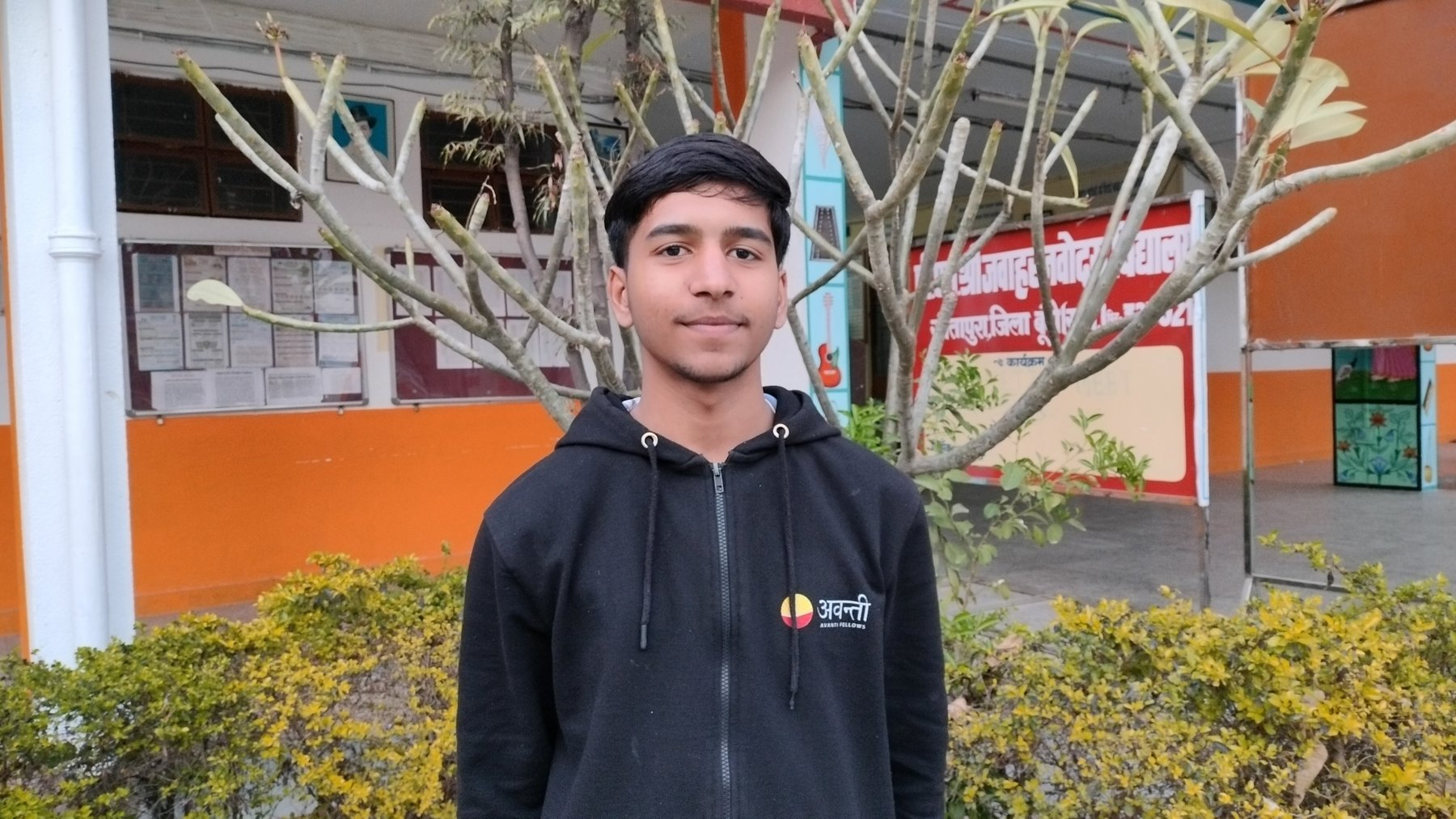
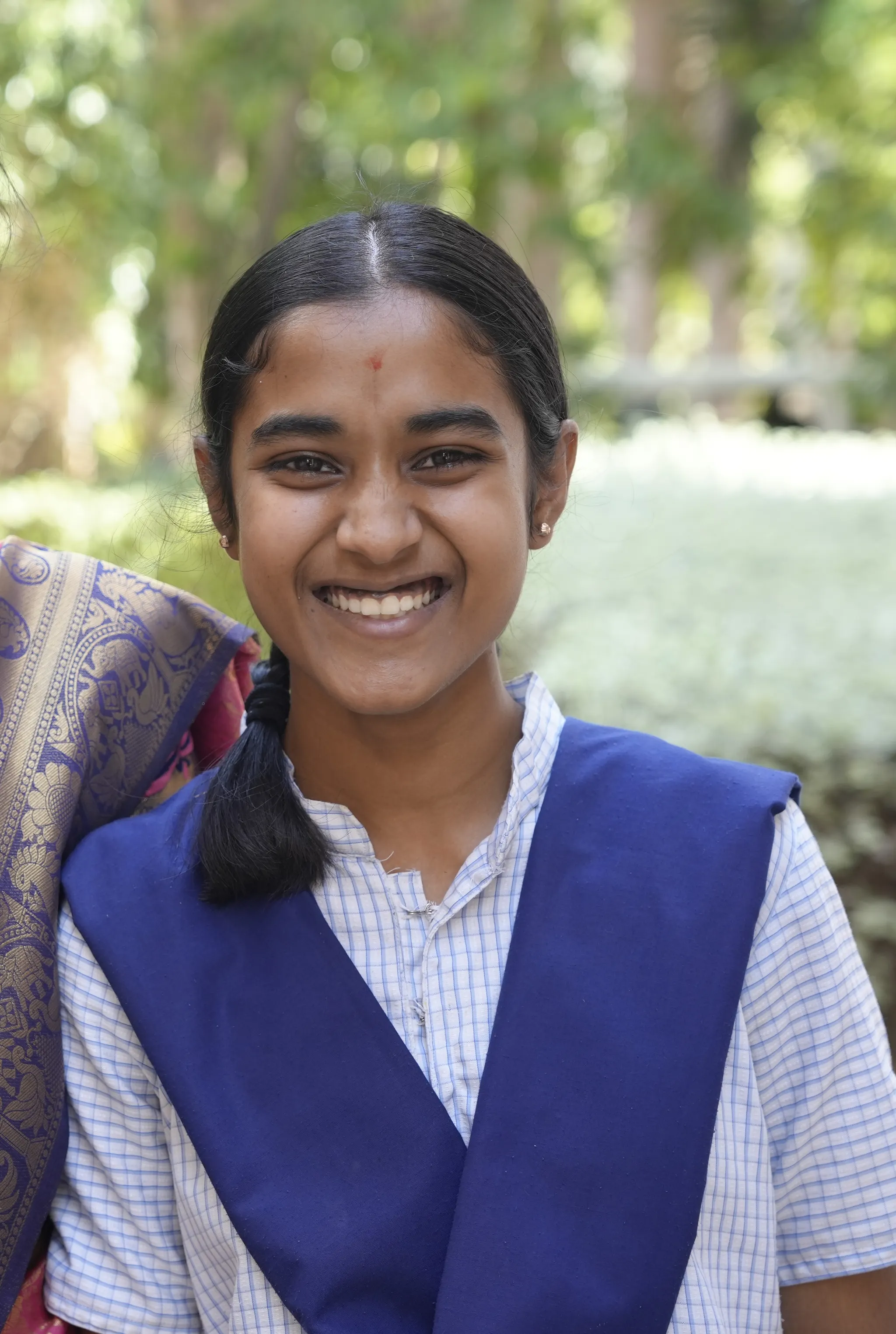
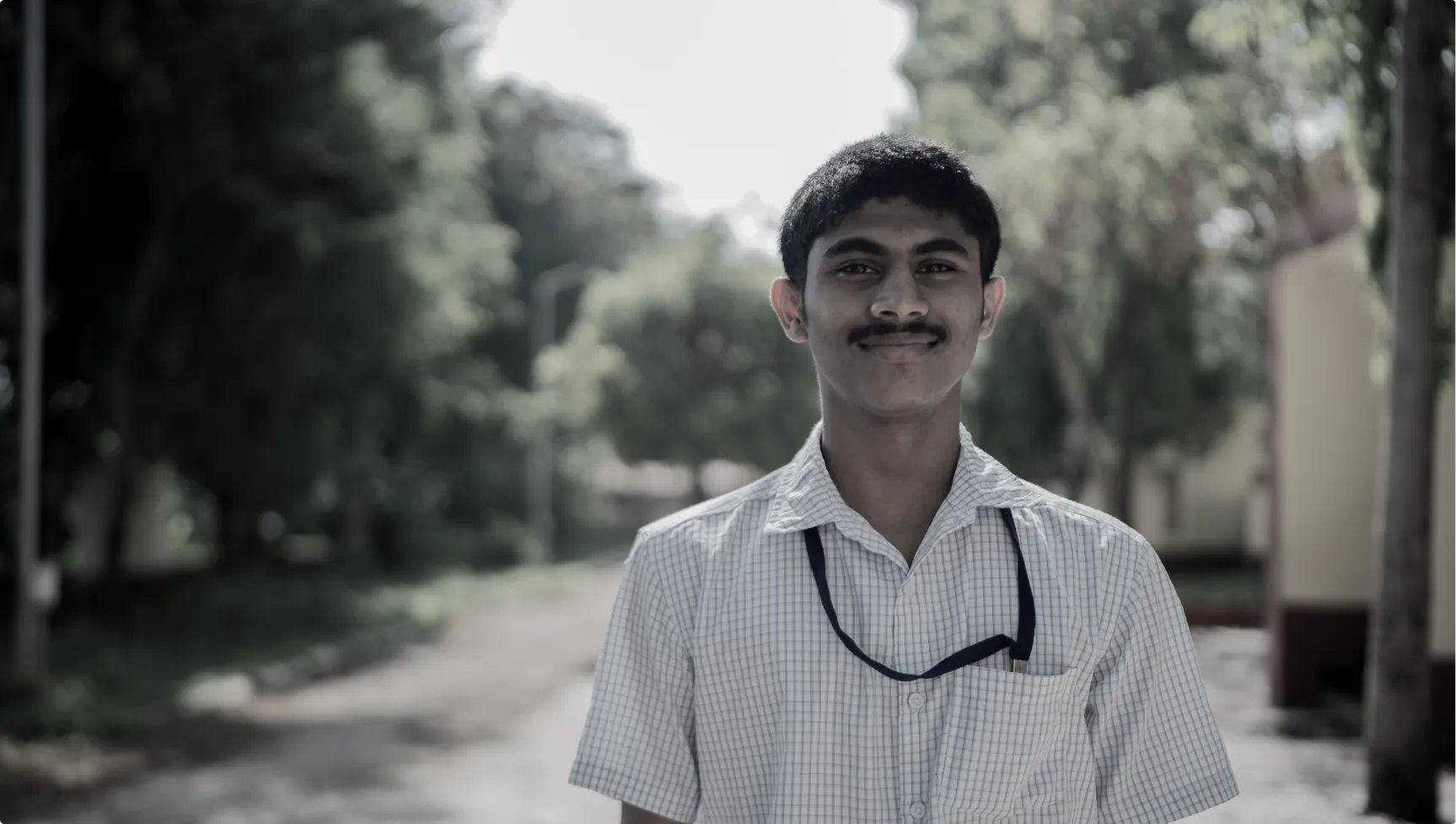
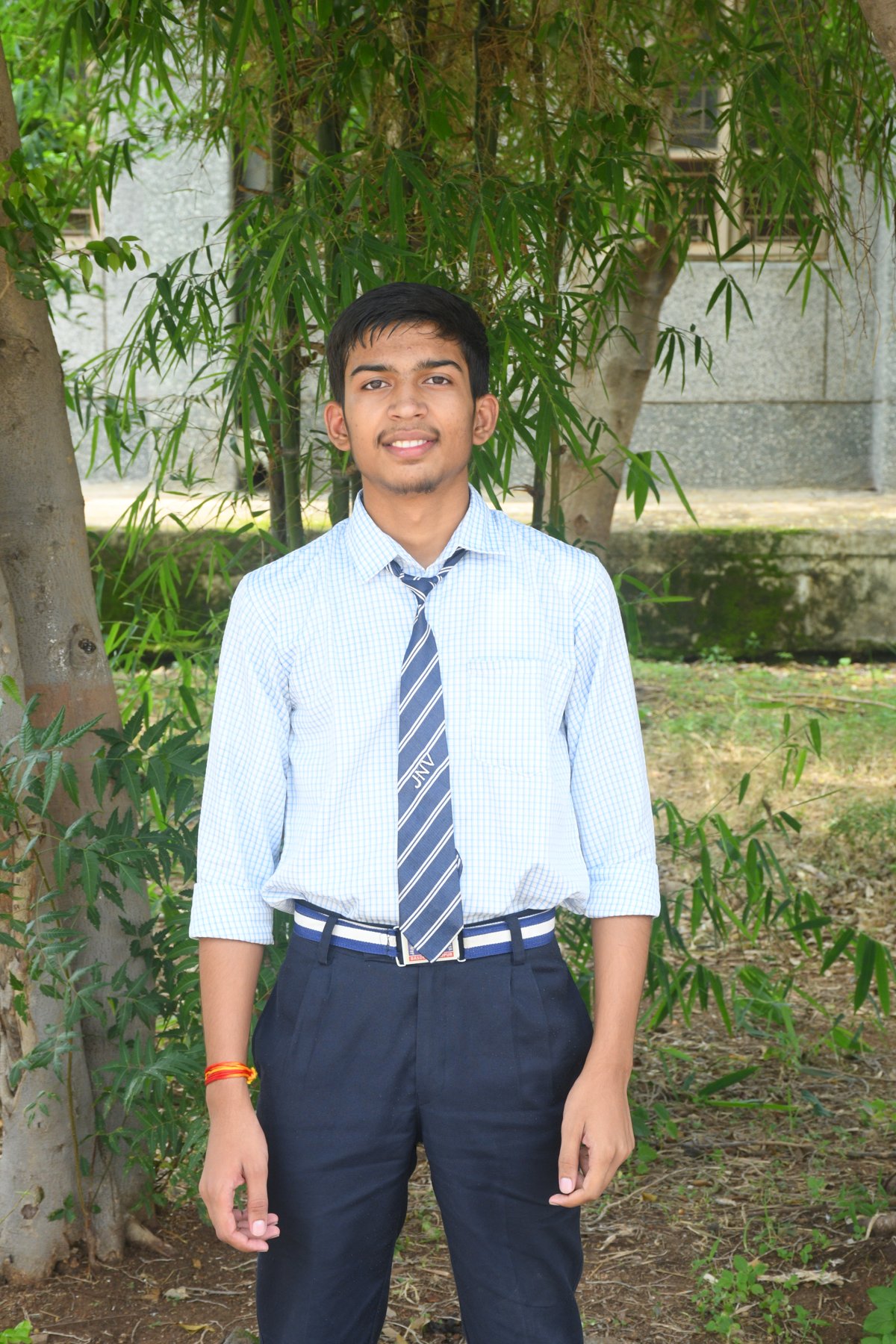
Arush, 17, is from Kathla Johri village in Sirmour district, Himachal Pradesh. He was supported through Avanti Fellows' online live-class programme, cleared JEE Main 2026 in the 91st percentile, and is studying Mathematics and Computing at NIT Hamirpur. Quotations are translated from Hindi.
‍

Stone, Chalk, Code

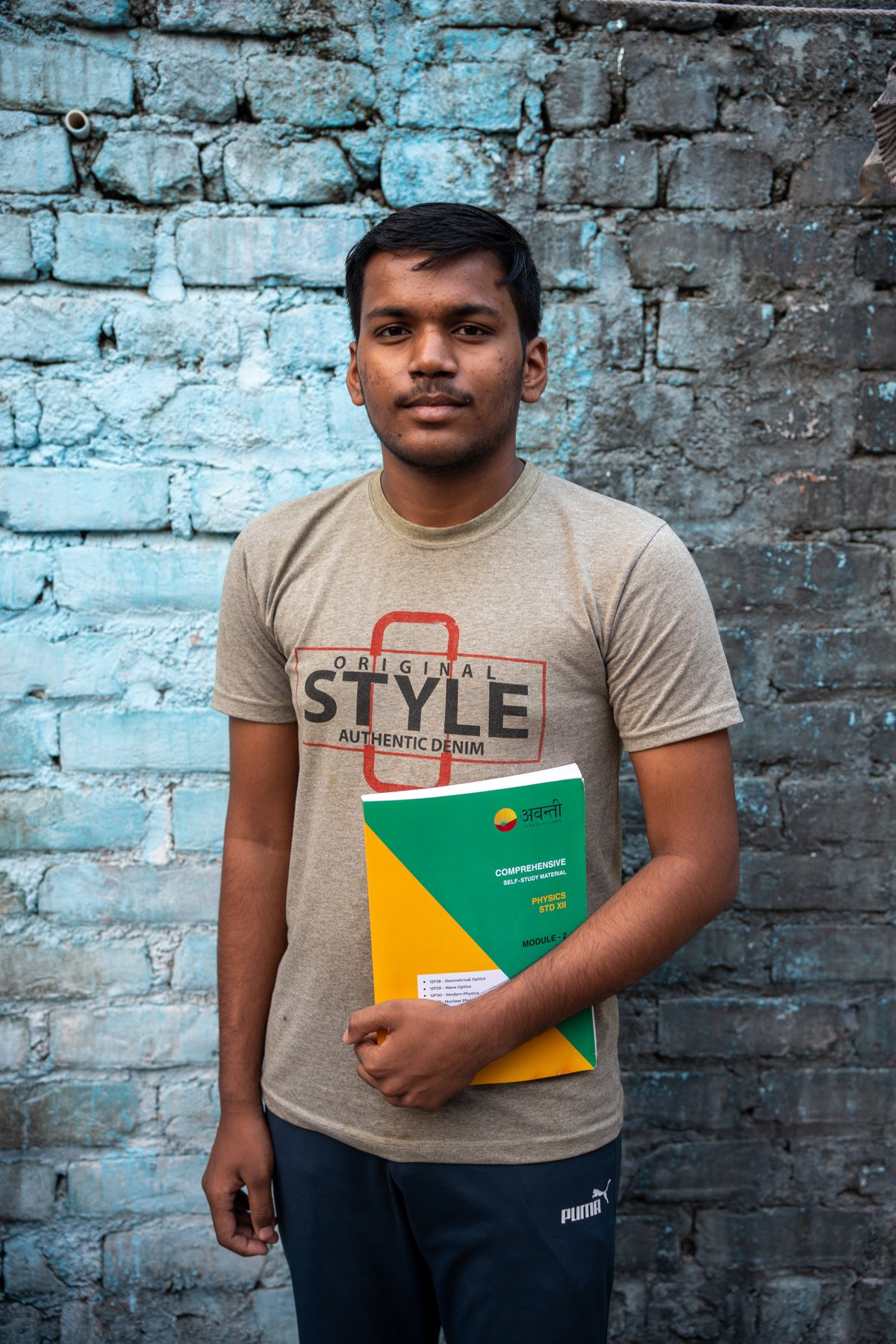
His grandfather was a mason, his father a teacher. Arush is the first in his family at an engineering college — NIT Hamirpur.

Arush's grandfather was a mason. He worked with his hands, and what he earned went into his son.

That son — Arush's father, Ram Rattan — got further. He finished a degree and became a government teacher, and he teaches drawing at a school in the hills of Sirmour. He would have kept studying. There was no money for more, so he stopped where he stopped, and what he had went into his own sons.

That is how it goes in a family like this one. Each generation reaches a little past the last and hands on what's left. It works. It is just very slow.

Which brings it to Arush, in Kathla Johri — a village in Pachhad, twenty-five or thirty kilometres out from Solan. His mother finished class 10 and runs the house. He has a younger brother. They own their home, and by the standards of the families Avanti works with they are steady. The obstacle here was never money.

It was that nobody knew what came after chalk.

‍

The edge of what he knew

Ask around the village what the children there expected to become and the answer comes back plainly: labour. You work where the money is, because that is where the money is.

Arush had wanted something technical since he was small — he says the interest was there from childhood. But an interest isn't a path. He didn't know what the work was called, what you studied to get it, or how a boy in Pachhad would go about any of it. So when he pictured his future, what he saw was a teacher. Like his father. Not chosen over the alternatives. There simply weren't any he could see.

The ceiling wasn't money. It was the edge of what he knew existed.

He is very good at mathematics. He got 100 in it in class 10, and again in class 11, where he finished with a 97 per cent average across physics, chemistry and maths. He has been near the top of his class his whole life. None of that, by itself, told him there was anywhere to take it.

To study science at all he had to change schools. The new one was an hour and a half away.

‍

Twenty-five sat the test

It was at that school that Arush first heard three letters. Then, not long after, that Avanti Fellows was running a selection test.

Twenty-five students from his school sat it.

One got in.

He is direct about how little he knew at the time:

At that time I didn't even know the full form of JEE. What it was — nothing. I found out about JEE because of Avanti. And when I cleared JEE, the people in my village also found out that JEE is even a thing.

Nobody nearby could have told him. There isn't a coaching centre anywhere within reach of Kathla Johri, and the handful of people around there who had ever attempted the exam had gone through expensive private colleges to do it. Later, a coaching centre in Shimla rang to recruit him. He turned them down. He was already studying with Avanti and he liked how they taught.

Home at 5:45, class at seven

Here is his day.

Up at five. School work until it's time to leave. Ninety minutes on the road, out of the house by half past eight. School. Ninety minutes back, through the door at quarter to six. Avanti's live classes from seven until ten. Then his own work, ten until eleven.

He does not own a phone. He attends every one of those classes on his mother's or his father's.

His attendance across the year was above ninety-five per cent.

What he valued most, he says, was the time it gave him back — no travelling to a class, no cost, just the studying. A timetable built for him specifically. Recordings, for the nights the day had already taken too much. A test every Sunday on the week's work, and the analysis of it in his hands by Monday.

His mother watches his studying closely and goes to the school herself to keep up with how he's doing. His father — a teacher, in the same profession Arush had assumed was the whole horizon — helps him with the hard topics, and turned up to the parents' meeting to say the teaching was some of the best he had seen.

His mentor puts it more plainly than he does. Arush's journey, she says, was not smooth at all, because he comes from a place with no coaching anywhere near it. What changed after he joined was that he worked out he had it in him. And then, about the result: his clearing JEE mattered even more to me than it did to him.

He placed in the 91st percentile. He is now at NIT Hamirpur, reading Mathematics and Computing.

Which is the part worth sitting with. Not just that he got in — that of all the things he could have ended up doing, he is spending the next four years on mathematics and computing. The subject he was always best at, the one he scored 100 in twice, pointed at exactly the technical work he'd wanted since he was a child and had no name for. He is the first person in his family to go to an engineering college.

‍

What reached Kathla Johri

Stone, then chalk, then this.

Each generation of Arush's family went as far as its circumstances allowed and handed the rest to the next one. Left alone, that arithmetic still gets there — a family like his arrives eventually. It just takes two more generations, or three, before someone has both the means and the information to sit an exam like JEE and clear it.

What your support did was collapse that into one.

Not by giving him ability; he had that, and 100 in maths twice over to prove it. By putting the thing itself within reach — a selection test that came to his school, teachers on a screen at seven in the evening, a mentor who knew which weakness to go after first. And, before any of it, the plain information that an exam called JEE existed and that a boy from Kathla Johri was allowed to sit it.

His father doesn't frame it as something that happened to his family. He frames it as something that happened to the village. Slowly, step by step, he says, people here can move forward. And it lands on the children coming up behind — the ones nearby, watching. That boy did it, so we have to do it too.

His grandfather cut stone. His father went to the same school Arush did, and wanted to keep studying, and couldn't.

His son is going.

Arush, 17, is from Kathla Johri village in Sirmour district, Himachal Pradesh. He was supported through Avanti Fellows' online live-class programme, cleared JEE Main 2026 in the 91st percentile, and is studying Mathematics and Computing at NIT Hamirpur. Quotations are translated from Hindi.
‍

Stone, Chalk, Code

His grandfather was a mason, his father a teacher. Arush is the first in his family at an engineering college — NIT Hamirpur.

Arush's grandfather was a mason. He worked with his hands, and what he earned went into his son.

That son — Arush's father, Ram Rattan — got further. He finished a degree and became a government teacher, and he teaches drawing at a school in the hills of Sirmour. He would have kept studying. There was no money for more, so he stopped where he stopped, and what he had went into his own sons.

That is how it goes in a family like this one. Each generation reaches a little past the last and hands on what's left. It works. It is just very slow.

Which brings it to Arush, in Kathla Johri — a village in Pachhad, twenty-five or thirty kilometres out from Solan. His mother finished class 10 and runs the house. He has a younger brother. They own their home, and by the standards of the families Avanti works with they are steady. The obstacle here was never money.

It was that nobody knew what came after chalk.

‍

The edge of what he knew

Ask around the village what the children there expected to become and the answer comes back plainly: labour. You work where the money is, because that is where the money is.

Arush had wanted something technical since he was small — he says the interest was there from childhood. But an interest isn't a path. He didn't know what the work was called, what you studied to get it, or how a boy in Pachhad would go about any of it. So when he pictured his future, what he saw was a teacher. Like his father. Not chosen over the alternatives. There simply weren't any he could see.

The ceiling wasn't money. It was the edge of what he knew existed.

He is very good at mathematics. He got 100 in it in class 10, and again in class 11, where he finished with a 97 per cent average across physics, chemistry and maths. He has been near the top of his class his whole life. None of that, by itself, told him there was anywhere to take it.

To study science at all he had to change schools. The new one was an hour and a half away.

‍

Twenty-five sat the test

It was at that school that Arush first heard three letters. Then, not long after, that Avanti Fellows was running a selection test.

Twenty-five students from his school sat it.

One got in.

He is direct about how little he knew at the time:

At that time I didn't even know the full form of JEE. What it was — nothing. I found out about JEE because of Avanti. And when I cleared JEE, the people in my village also found out that JEE is even a thing.

Nobody nearby could have told him. There isn't a coaching centre anywhere within reach of Kathla Johri, and the handful of people around there who had ever attempted the exam had gone through expensive private colleges to do it. Later, a coaching centre in Shimla rang to recruit him. He turned them down. He was already studying with Avanti and he liked how they taught.

Home at 5:45, class at seven

Here is his day.

Up at five. School work until it's time to leave. Ninety minutes on the road, out of the house by half past eight. School. Ninety minutes back, through the door at quarter to six. Avanti's live classes from seven until ten. Then his own work, ten until eleven.

He does not own a phone. He attends every one of those classes on his mother's or his father's.

His attendance across the year was above ninety-five per cent.

What he valued most, he says, was the time it gave him back — no travelling to a class, no cost, just the studying. A timetable built for him specifically. Recordings, for the nights the day had already taken too much. A test every Sunday on the week's work, and the analysis of it in his hands by Monday.

His mother watches his studying closely and goes to the school herself to keep up with how he's doing. His father — a teacher, in the same profession Arush had assumed was the whole horizon — helps him with the hard topics, and turned up to the parents' meeting to say the teaching was some of the best he had seen.

His mentor puts it more plainly than he does. Arush's journey, she says, was not smooth at all, because he comes from a place with no coaching anywhere near it. What changed after he joined was that he worked out he had it in him. And then, about the result: his clearing JEE mattered even more to me than it did to him.

He placed in the 91st percentile. He is now at NIT Hamirpur, reading Mathematics and Computing.

Which is the part worth sitting with. Not just that he got in — that of all the things he could have ended up doing, he is spending the next four years on mathematics and computing. The subject he was always best at, the one he scored 100 in twice, pointed at exactly the technical work he'd wanted since he was a child and had no name for. He is the first person in his family to go to an engineering college.

‍

What reached Kathla Johri

Stone, then chalk, then this.

Each generation of Arush's family went as far as its circumstances allowed and handed the rest to the next one. Left alone, that arithmetic still gets there — a family like his arrives eventually. It just takes two more generations, or three, before someone has both the means and the information to sit an exam like JEE and clear it.

What your support did was collapse that into one.

Not by giving him ability; he had that, and 100 in maths twice over to prove it. By putting the thing itself within reach — a selection test that came to his school, teachers on a screen at seven in the evening, a mentor who knew which weakness to go after first. And, before any of it, the plain information that an exam called JEE existed and that a boy from Kathla Johri was allowed to sit it.

His father doesn't frame it as something that happened to his family. He frames it as something that happened to the village. Slowly, step by step, he says, people here can move forward. And it lands on the children coming up behind — the ones nearby, watching. That boy did it, so we have to do it too.

His grandfather cut stone. His father went to the same school Arush did, and wanted to keep studying, and couldn't.

His son is going.

Arush, 17, is from Kathla Johri village in Sirmour district, Himachal Pradesh. He was supported through Avanti Fellows' online live-class programme, cleared JEE Main 2026 in the 91st percentile, and is studying Mathematics and Computing at NIT Hamirpur. Quotations are translated from Hindi.
‍

No items found.
<< Previous blog post
Next blog post >>
No items found