India Doesn't Lack Talent, It Lacks Access: Our JEE 2026 Results

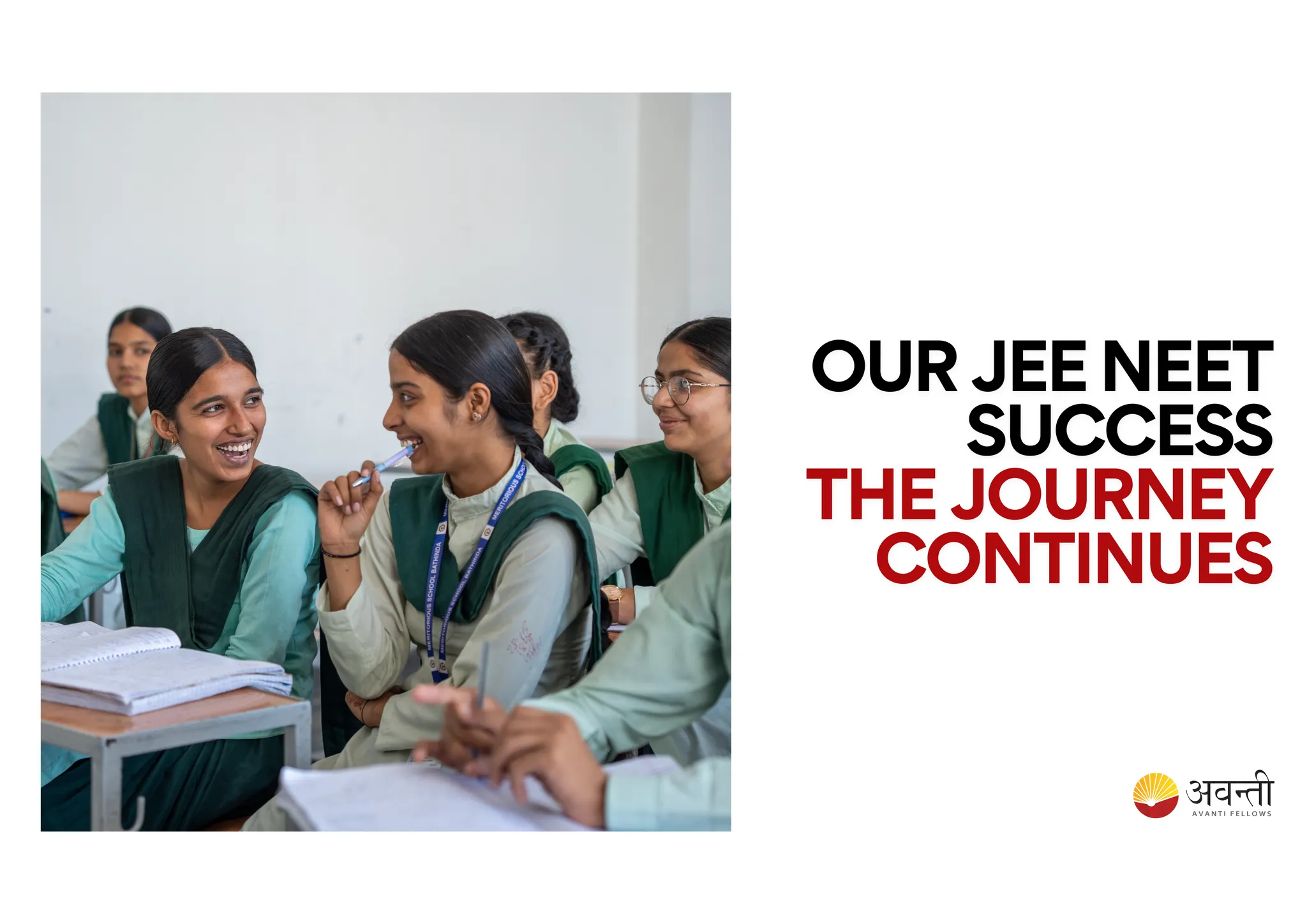
Every June, students across India wait for their JEE results — the gateway to the country's most prestigious engineering colleges. This year, over 2,000 Avanti students cleared JEE Main 2026, with 820 securing seats at NITs and other premier institutions. More than 380 cleared JEE Advanced and are awaiting IIT seat allotments — our largest batch to date.

To put that in perspective: the number of Avanti students qualifying for JEE Main has grown twelvefold in five years, from 184 qualifiers in 2021 to 2,312 in 2026.

We're proud of these numbers. But every year, once the results are in, we ask ourselves a harder question: what do they actually tell us about talent, access, and opportunity in India? This year, three answers stood out.

1. Talent was never the problem. Access is.
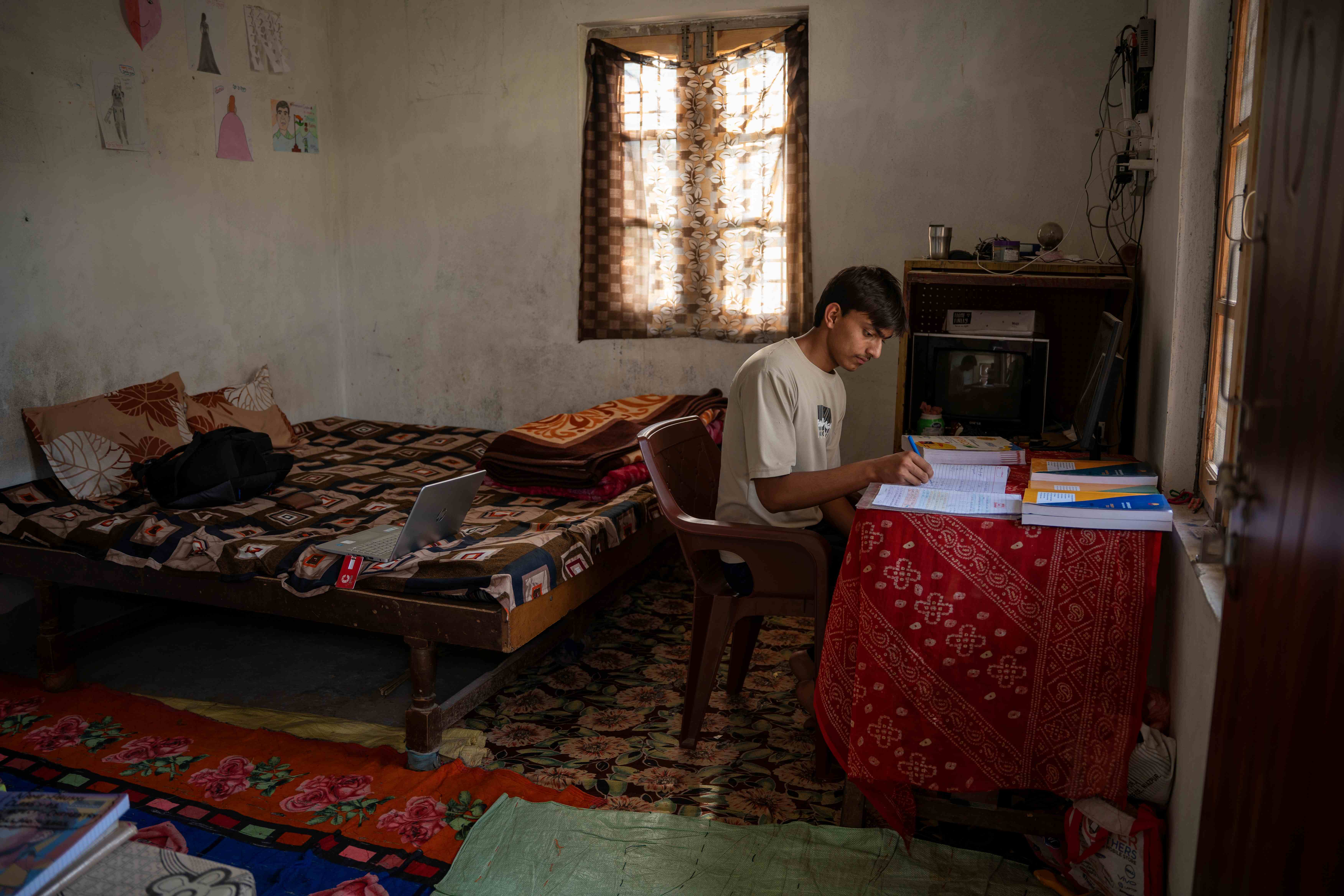
In 2018, we coached about 800 students for the JEE, and 286 qualified. In 2026, we reached over 7,300 students — and 2,312 qualified, eight times as many. When we first scaled up, our qualification rate dipped, as you'd expect when you open the doors wider. It has since recovered to over 31% — at nearly ten times our original scale.

We did not run out of talented students as we grew. We just found more of them.

2. High-potential students exist in every cohort — even the least-resourced ones.
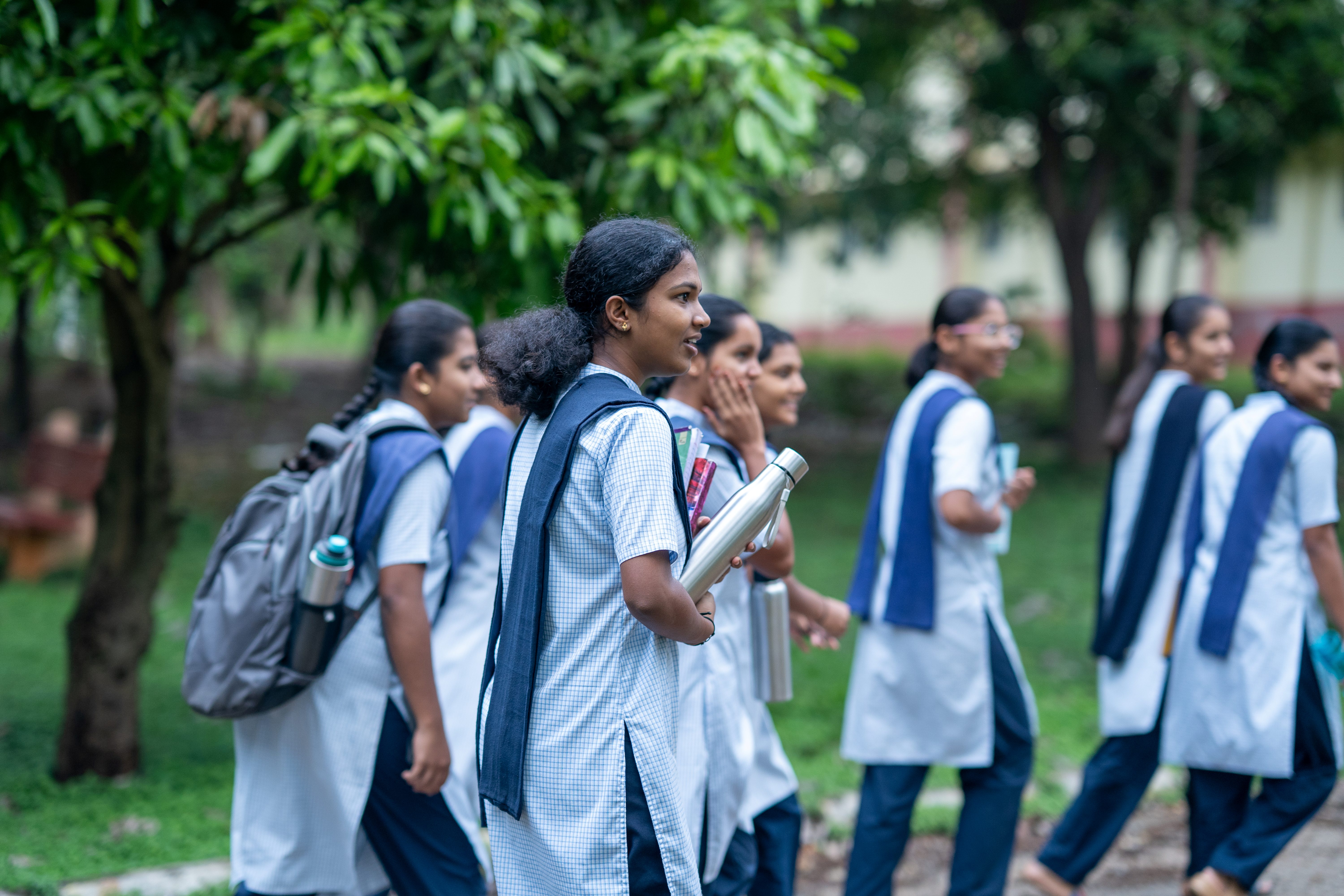
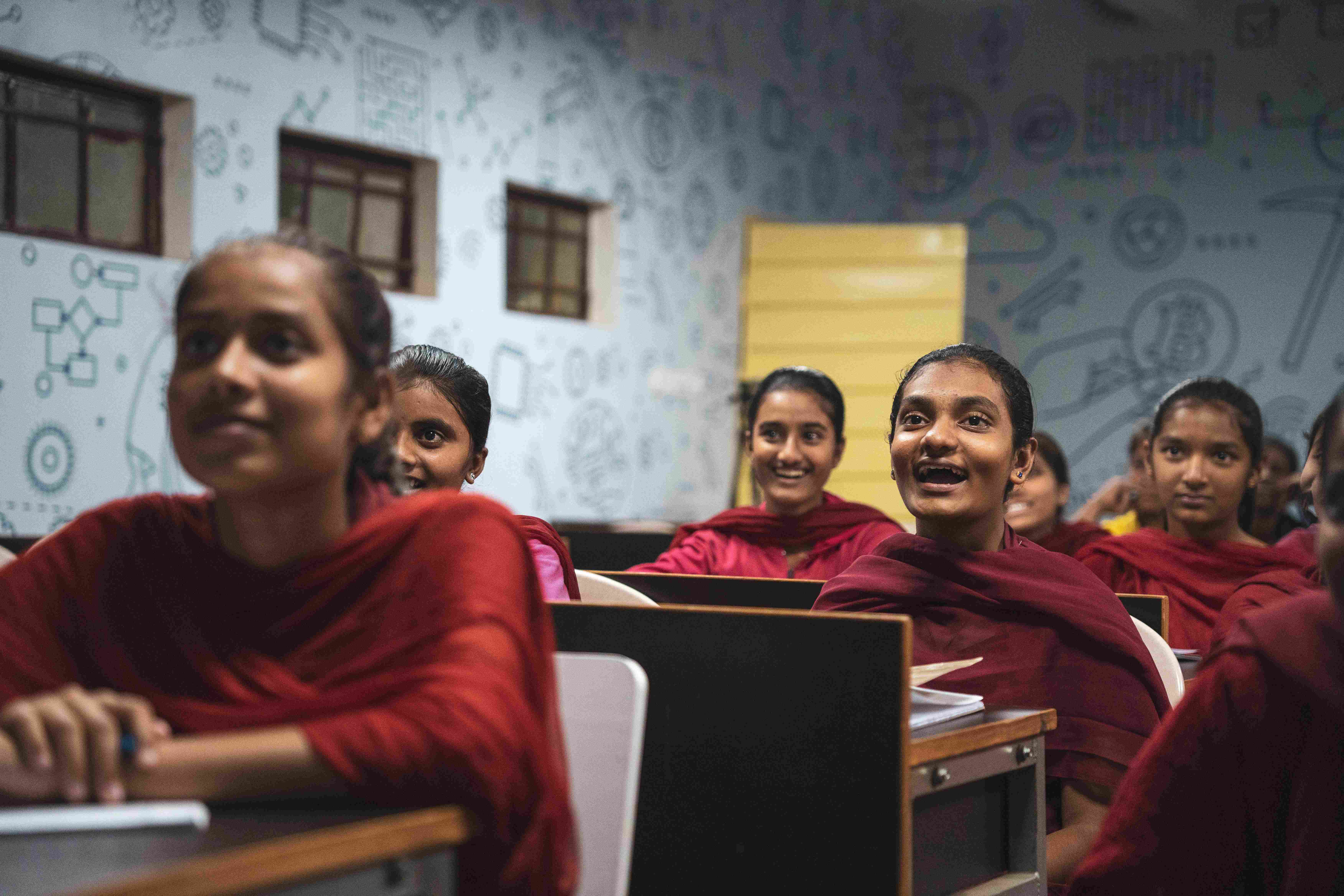
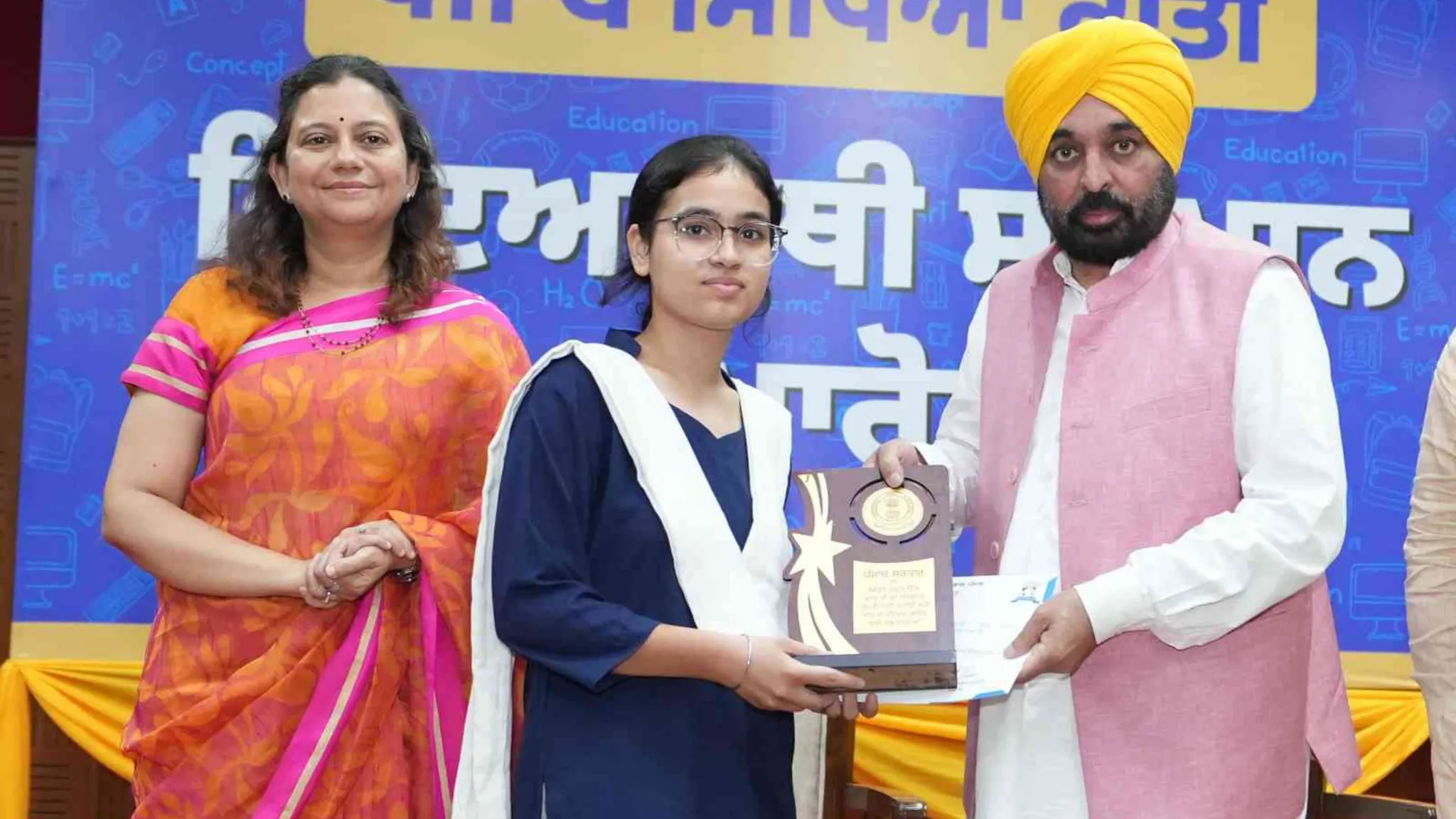
In our lightest-touch program — a test series reaching over 4,400 government-school students in Punjab — the top scorer reached the 99.7th percentile nationally. Students like this exist in every district and every school system; they were simply invisible until someone put an exam-preparation structure in front of them.

But here's the part we think matters most: these outliers would likely succeed anywhere. The real measure of our work is the student in the middle of the distribution — the one who qualifies only because the teaching, mentorship, and structure were there. That is the student our programs are built for.

3. The opportunity is far bigger than anyone assumed.
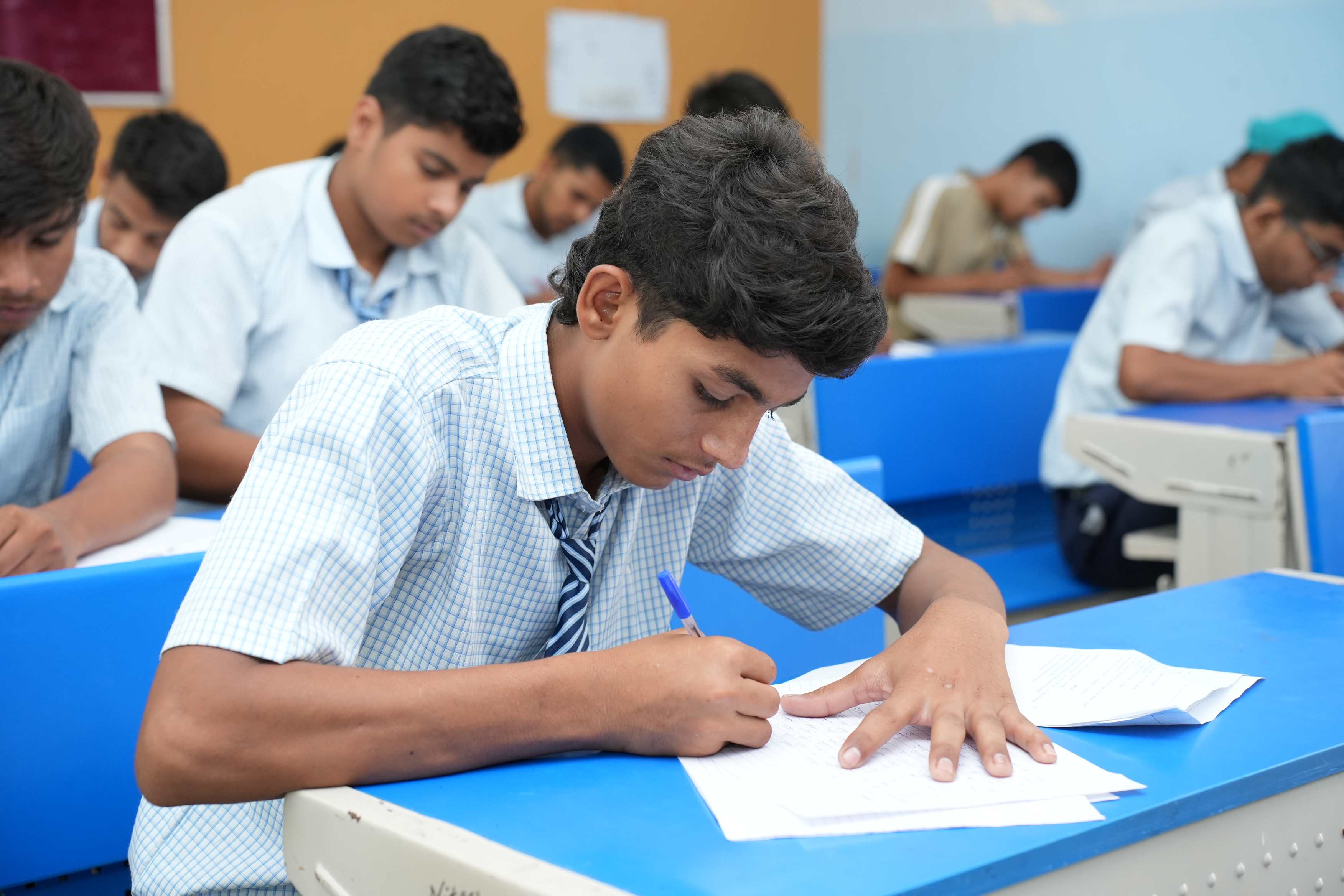
Much of our historical work has been with Jawahar Navodaya Vidyalayas — residential government schools whose students pass a competitive entrance test at age 11. One might argue that our results simply reflect that pre-selected talent.

This year's data answers that: 42% of our JEE qualifiers came from outside the JNV system — from ordinary government schools in Punjab, Delhi, Tamil Nadu, Himachal Pradesh, and elsewhere. Where we ran high-intensity programs in these systems, qualification rates matched or exceeded our JNV centres. The model functions wherever it is deployed — and the population of students it could serve is far larger than what we have reached so far.

The stories behind the numbers

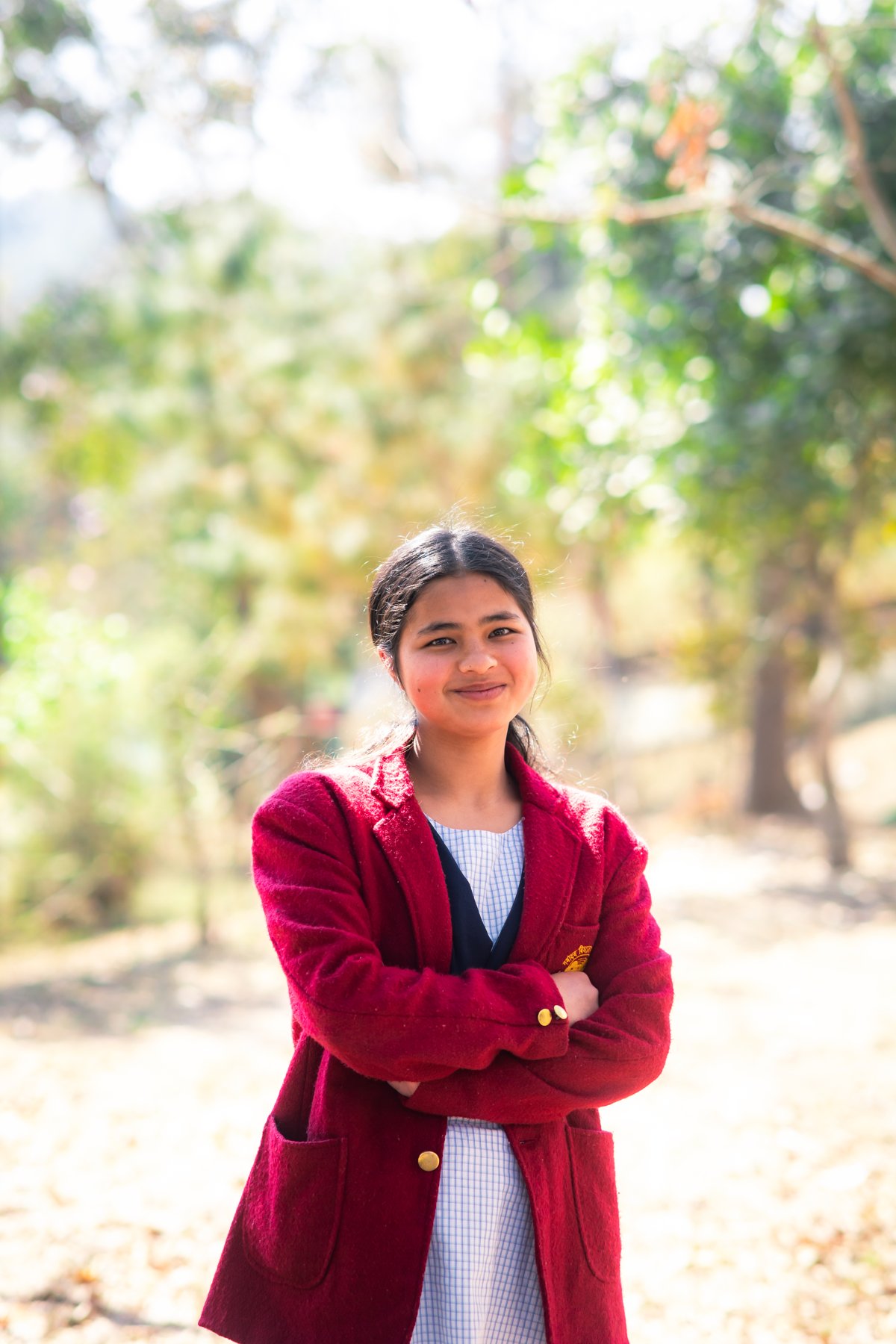
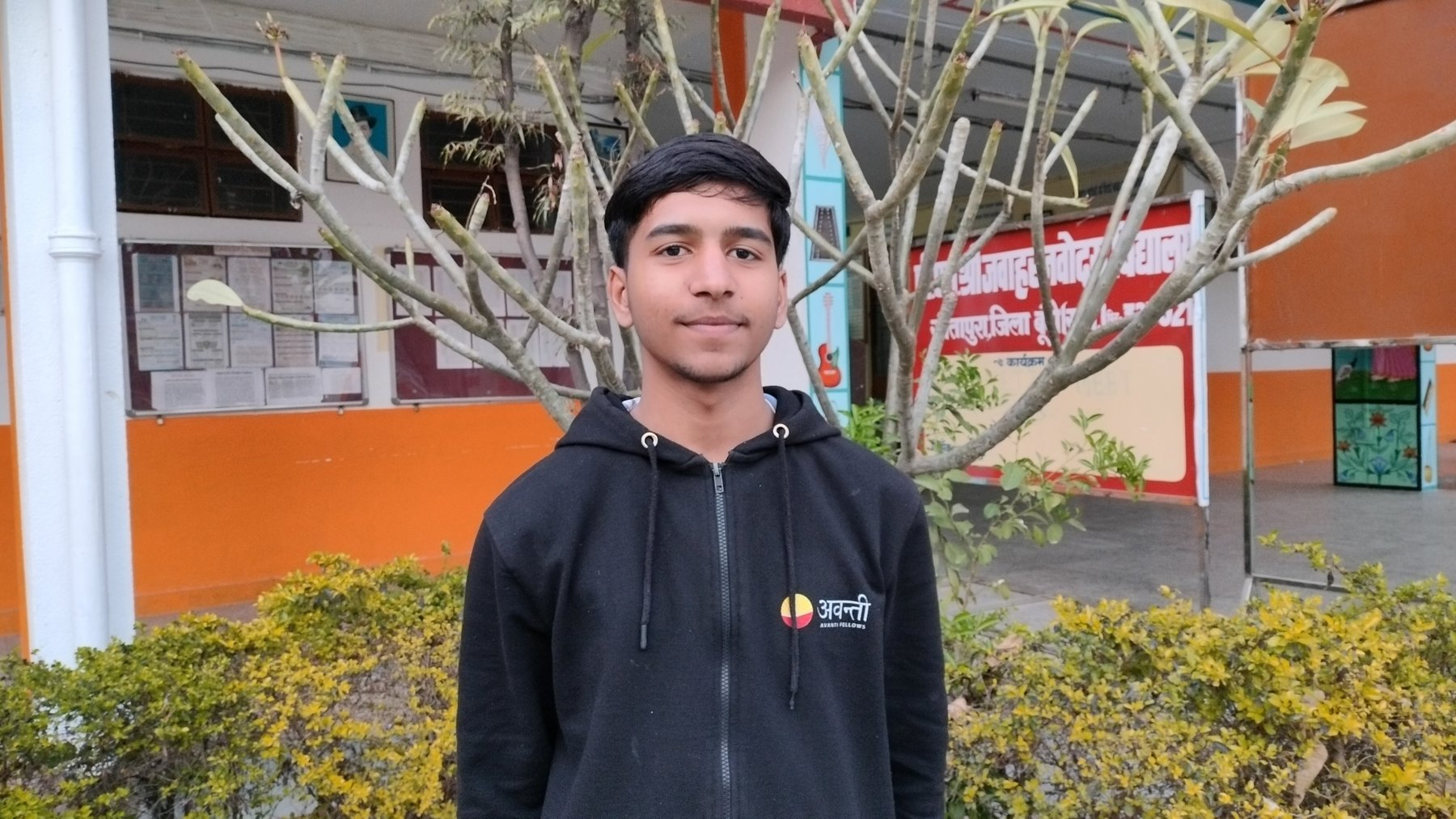
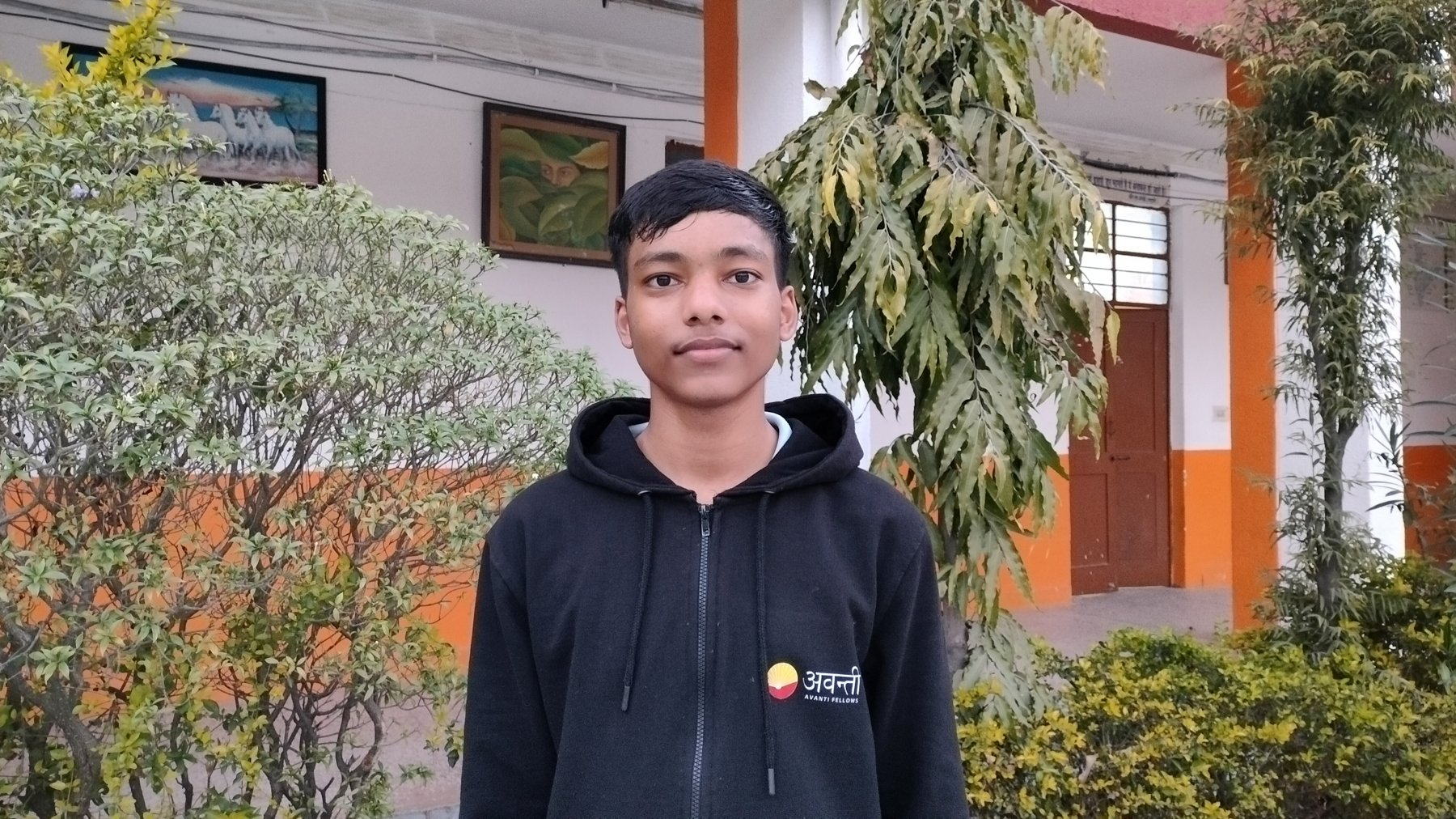
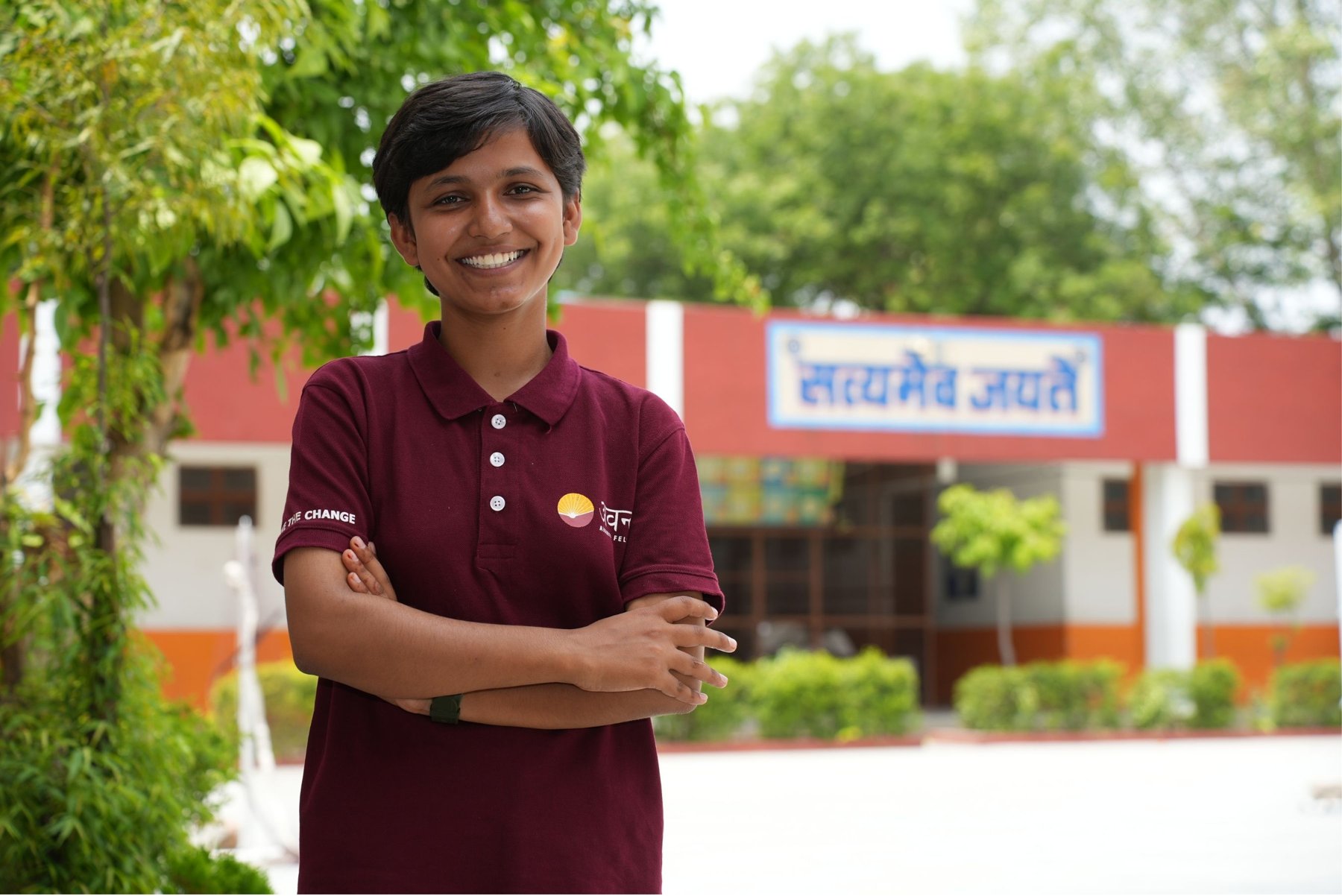
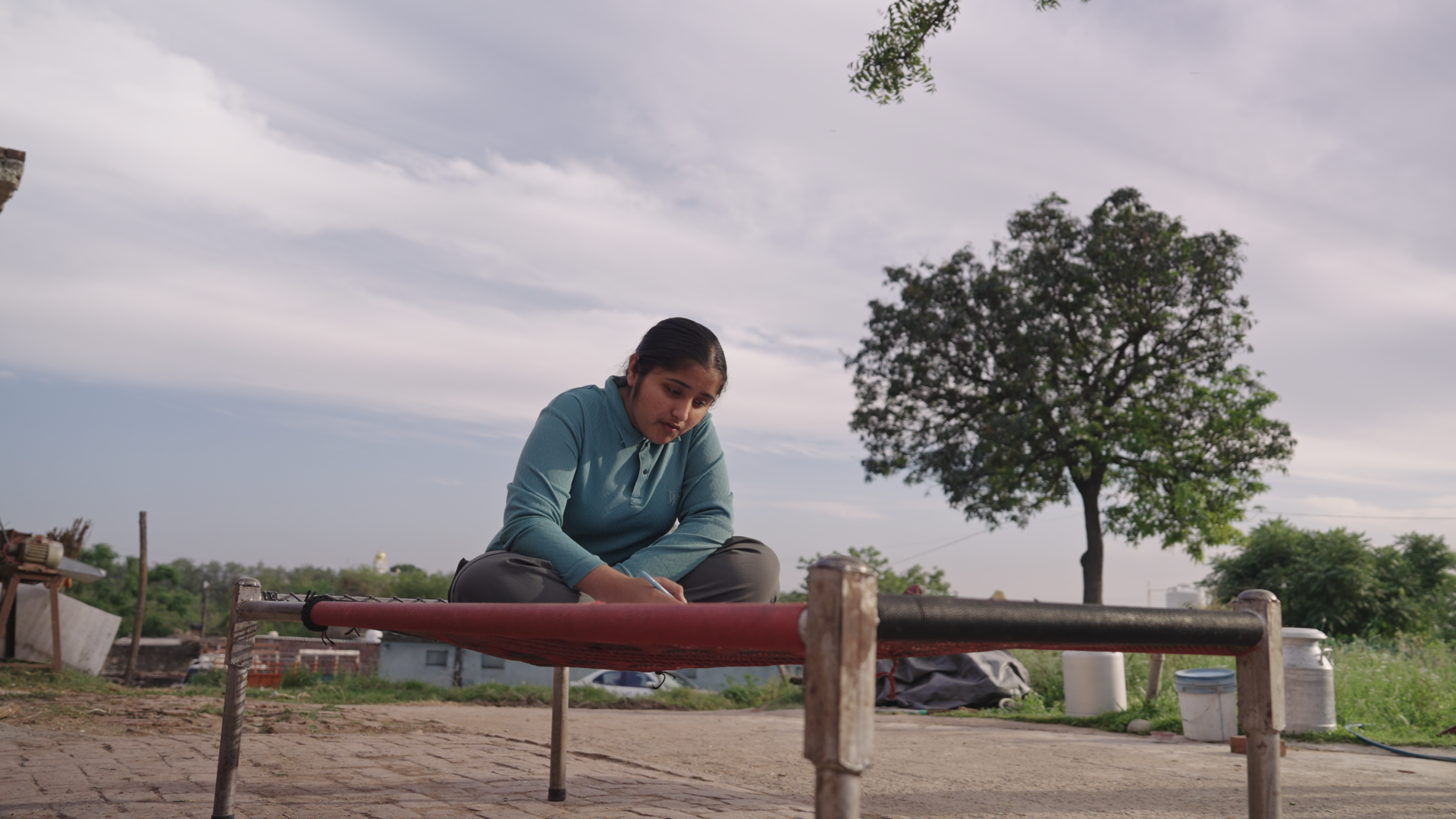
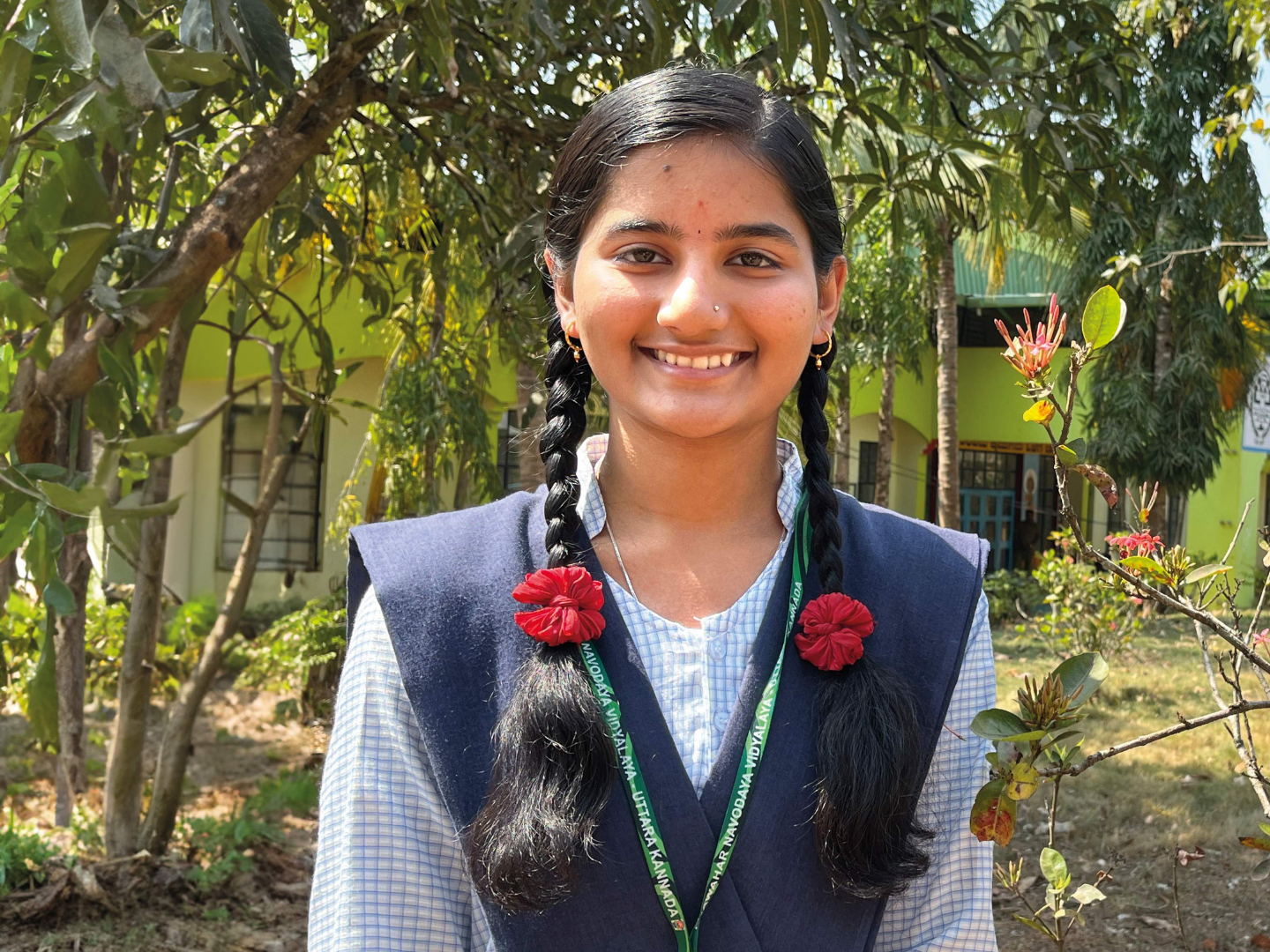
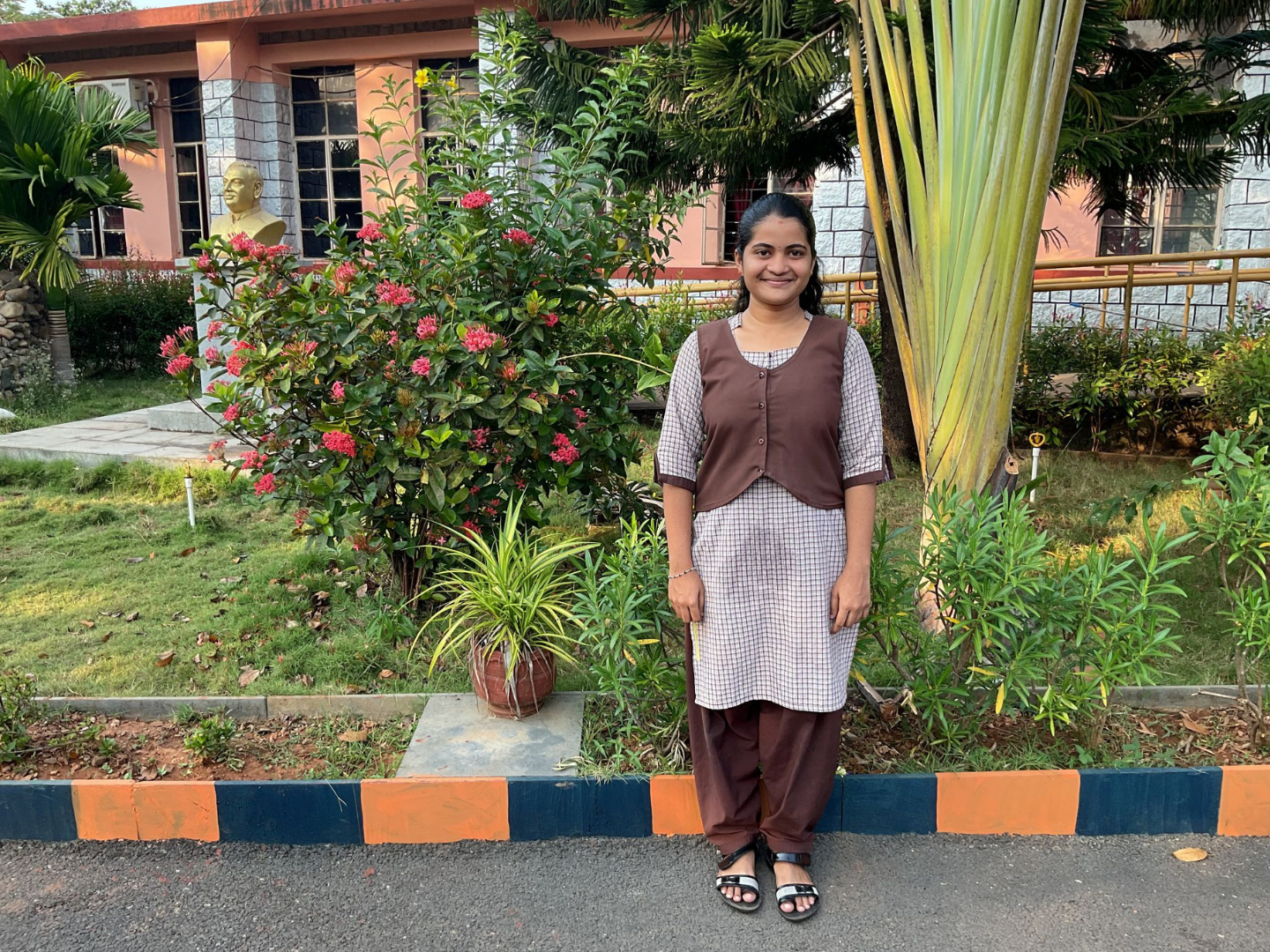
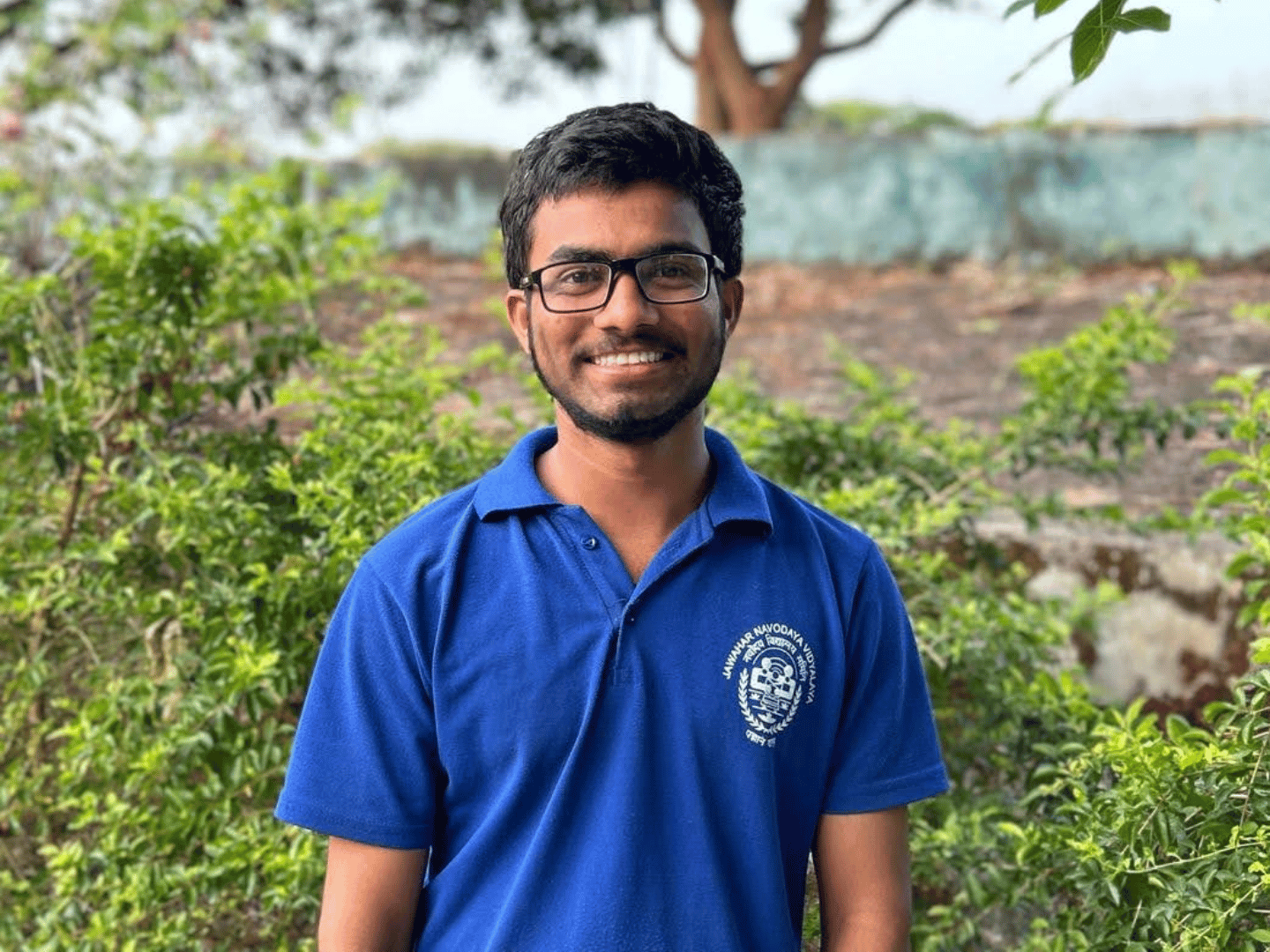
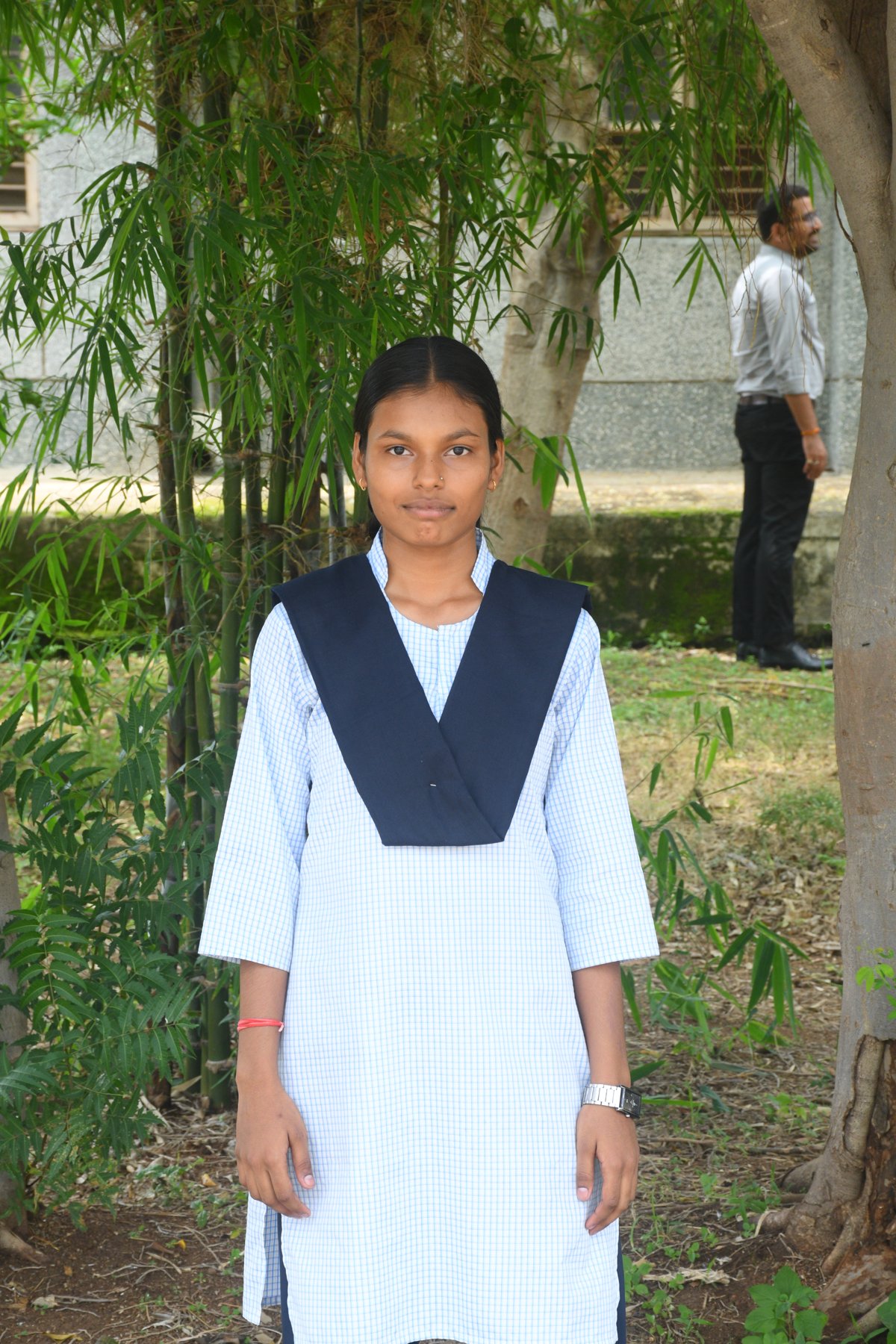
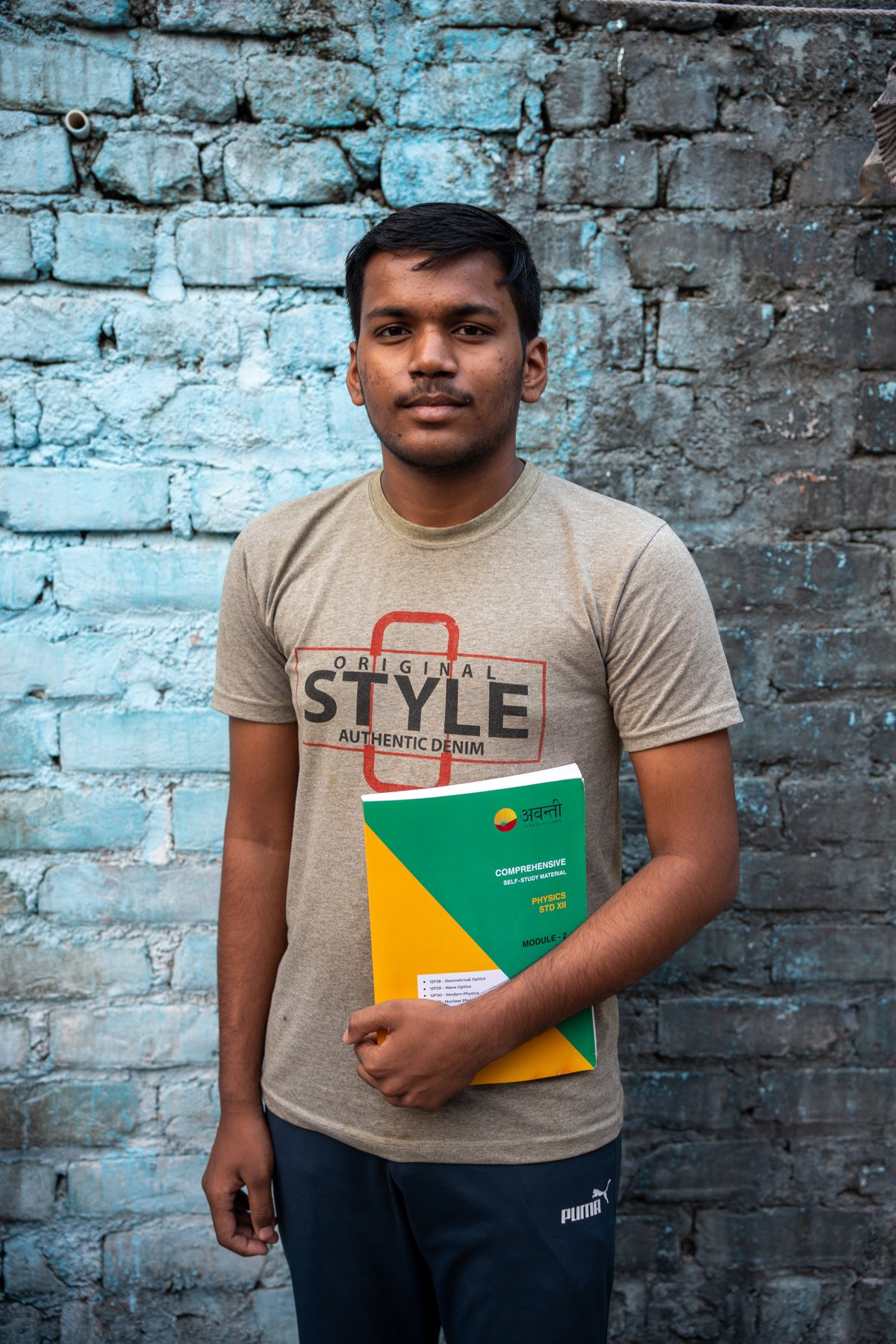
Each of these data points represents a lifetime of hardship, endurance, and hope. Two of this year's qualifiers show what that looks like on the ground.

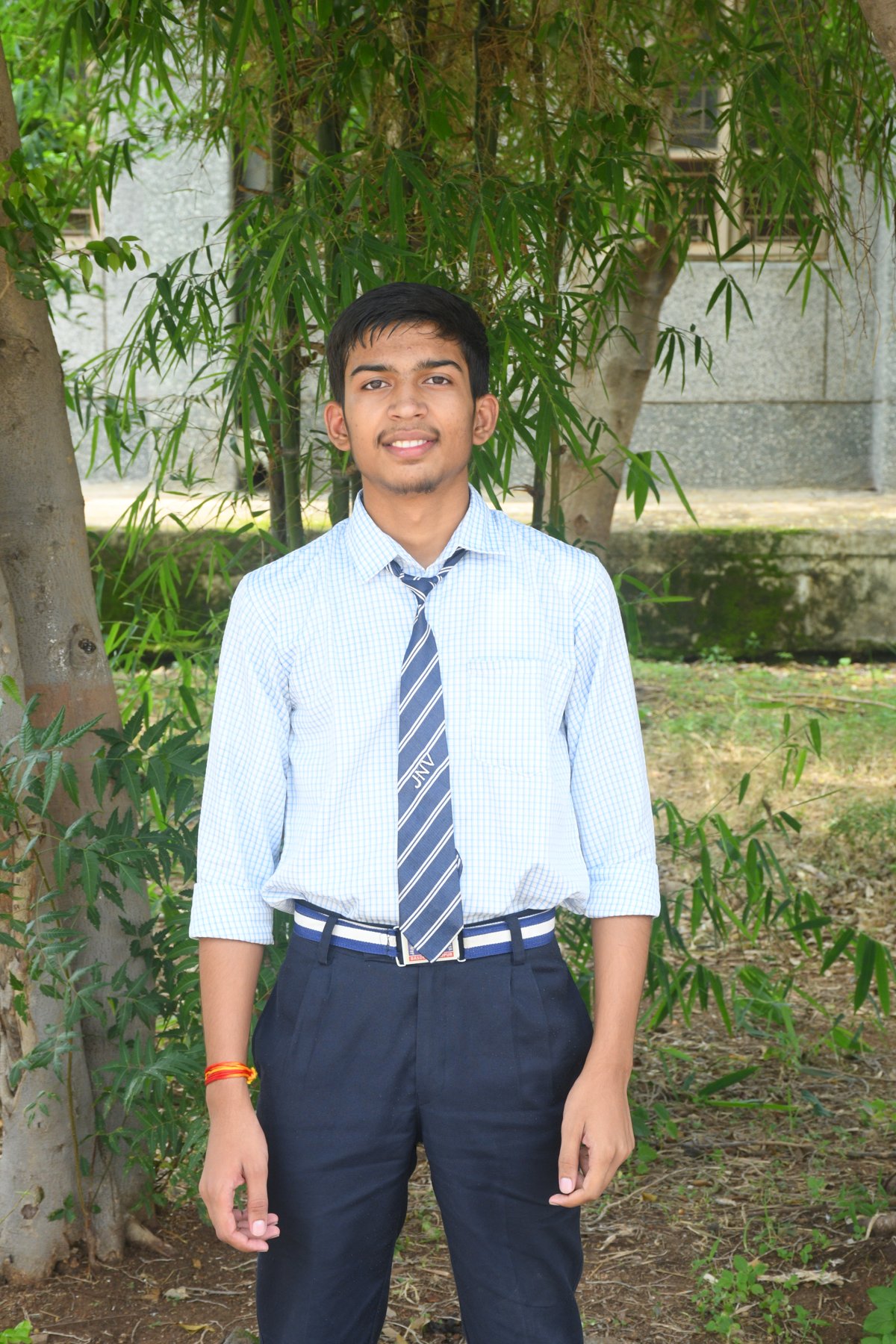
For Arush, growing up in the mountains of Himachal Pradesh, high-quality test preparation was out of reach until Avanti Gurukul brought it to him. For Kajal, what made the difference was mentorship through our Girls in STEM initiative — mentorship that understood the specific challenges young women face in a male-dominated community.

What this means

The lesson from eight years of results is clear: India has no shortage of talented students. What it lacks is a structured preparation system that helps them succeed. That is the gap our work exists to close — not just improving test scores, but transforming school systems, unlocking opportunity, and building a more inclusive future for India's brightest minds.
India Doesn't Lack Talent, It Lacks Access: Our JEE 2026 Results

2,312 of our students cleared JEE Main 2026 — 12x more than five years ago. The lesson: India doesn't lack talent, it lacks access.

Every June, students across India wait for their JEE results — the gateway to the country's most prestigious engineering colleges. This year, over 2,000 Avanti students cleared JEE Main 2026, with 820 securing seats at NITs and other premier institutions. More than 380 cleared JEE Advanced and are awaiting IIT seat allotments — our largest batch to date.

To put that in perspective: the number of Avanti students qualifying for JEE Main has grown twelvefold in five years, from 184 qualifiers in 2021 to 2,312 in 2026.

We're proud of these numbers. But every year, once the results are in, we ask ourselves a harder question: what do they actually tell us about talent, access, and opportunity in India? This year, three answers stood out.

1. Talent was never the problem. Access is.

In 2018, we coached about 800 students for the JEE, and 286 qualified. In 2026, we reached over 7,300 students — and 2,312 qualified, eight times as many. When we first scaled up, our qualification rate dipped, as you'd expect when you open the doors wider. It has since recovered to over 31% — at nearly ten times our original scale.

We did not run out of talented students as we grew. We just found more of them.

2. High-potential students exist in every cohort — even the least-resourced ones.

In our lightest-touch program — a test series reaching over 4,400 government-school students in Punjab — the top scorer reached the 99.7th percentile nationally. Students like this exist in every district and every school system; they were simply invisible until someone put an exam-preparation structure in front of them.

But here's the part we think matters most: these outliers would likely succeed anywhere. The real measure of our work is the student in the middle of the distribution — the one who qualifies only because the teaching, mentorship, and structure were there. That is the student our programs are built for.

3. The opportunity is far bigger than anyone assumed.

Much of our historical work has been with Jawahar Navodaya Vidyalayas — residential government schools whose students pass a competitive entrance test at age 11. One might argue that our results simply reflect that pre-selected talent.

This year's data answers that: 42% of our JEE qualifiers came from outside the JNV system — from ordinary government schools in Punjab, Delhi, Tamil Nadu, Himachal Pradesh, and elsewhere. Where we ran high-intensity programs in these systems, qualification rates matched or exceeded our JNV centres. The model functions wherever it is deployed — and the population of students it could serve is far larger than what we have reached so far.

The stories behind the numbers

Each of these data points represents a lifetime of hardship, endurance, and hope. Two of this year's qualifiers show what that looks like on the ground.

For Arush, growing up in the mountains of Himachal Pradesh, high-quality test preparation was out of reach until Avanti Gurukul brought it to him. For Kajal, what made the difference was mentorship through our Girls in STEM initiative — mentorship that understood the specific challenges young women face in a male-dominated community.

What this means

The lesson from eight years of results is clear: India has no shortage of talented students. What it lacks is a structured preparation system that helps them succeed. That is the gap our work exists to close — not just improving test scores, but transforming school systems, unlocking opportunity, and building a more inclusive future for India's brightest minds.
India Doesn't Lack Talent, It Lacks Access: Our JEE 2026 Results

2,312 of our students cleared JEE Main 2026 — 12x more than five years ago. The lesson: India doesn't lack talent, it lacks access.

Every June, students across India wait for their JEE results — the gateway to the country's most prestigious engineering colleges. This year, over 2,000 Avanti students cleared JEE Main 2026, with 820 securing seats at NITs and other premier institutions. More than 380 cleared JEE Advanced and are awaiting IIT seat allotments — our largest batch to date.

To put that in perspective: the number of Avanti students qualifying for JEE Main has grown twelvefold in five years, from 184 qualifiers in 2021 to 2,312 in 2026.

We're proud of these numbers. But every year, once the results are in, we ask ourselves a harder question: what do they actually tell us about talent, access, and opportunity in India? This year, three answers stood out.

1. Talent was never the problem. Access is.

In 2018, we coached about 800 students for the JEE, and 286 qualified. In 2026, we reached over 7,300 students — and 2,312 qualified, eight times as many. When we first scaled up, our qualification rate dipped, as you'd expect when you open the doors wider. It has since recovered to over 31% — at nearly ten times our original scale.

We did not run out of talented students as we grew. We just found more of them.

2. High-potential students exist in every cohort — even the least-resourced ones.

In our lightest-touch program — a test series reaching over 4,400 government-school students in Punjab — the top scorer reached the 99.7th percentile nationally. Students like this exist in every district and every school system; they were simply invisible until someone put an exam-preparation structure in front of them.

But here's the part we think matters most: these outliers would likely succeed anywhere. The real measure of our work is the student in the middle of the distribution — the one who qualifies only because the teaching, mentorship, and structure were there. That is the student our programs are built for.

3. The opportunity is far bigger than anyone assumed.

Much of our historical work has been with Jawahar Navodaya Vidyalayas — residential government schools whose students pass a competitive entrance test at age 11. One might argue that our results simply reflect that pre-selected talent.

This year's data answers that: 42% of our JEE qualifiers came from outside the JNV system — from ordinary government schools in Punjab, Delhi, Tamil Nadu, Himachal Pradesh, and elsewhere. Where we ran high-intensity programs in these systems, qualification rates matched or exceeded our JNV centres. The model functions wherever it is deployed — and the population of students it could serve is far larger than what we have reached so far.

The stories behind the numbers

Each of these data points represents a lifetime of hardship, endurance, and hope. Two of this year's qualifiers show what that looks like on the ground.

For Arush, growing up in the mountains of Himachal Pradesh, high-quality test preparation was out of reach until Avanti Gurukul brought it to him. For Kajal, what made the difference was mentorship through our Girls in STEM initiative — mentorship that understood the specific challenges young women face in a male-dominated community.

What this means

The lesson from eight years of results is clear: India has no shortage of talented students. What it lacks is a structured preparation system that helps them succeed. That is the gap our work exists to close — not just improving test scores, but transforming school systems, unlocking opportunity, and building a more inclusive future for India's brightest minds.

No items found.