A Season of Her Own

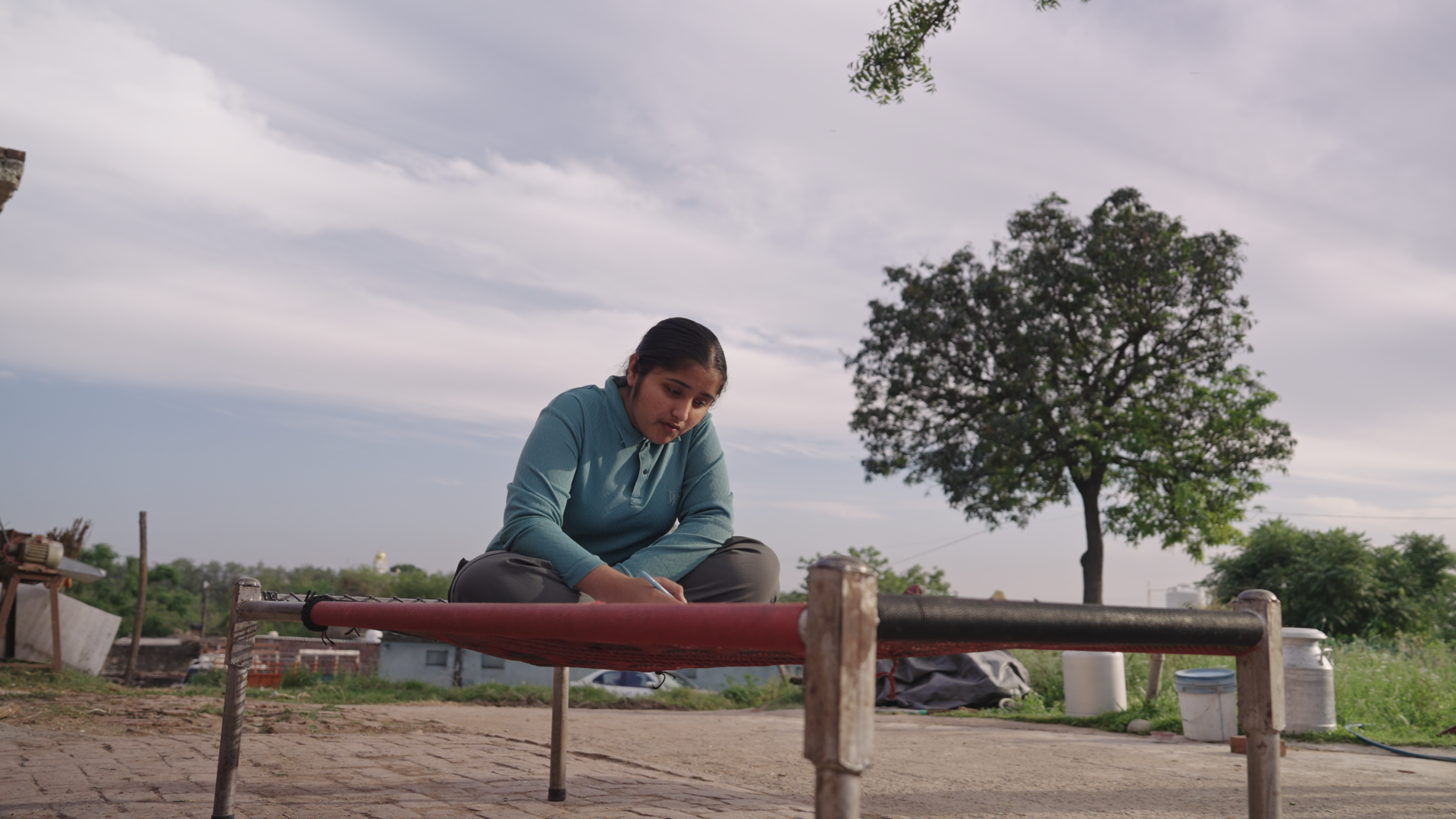
Wheat goes into the ground in November. Kajal was small enough to walk between the rows when she started helping, following her father down the line, pressing seeds into the soil behind him.

She was never there when it came up. Wheat is cut in April, and April is school term.

That is more or less the shape of her childhood. The family has a small plot in Roopnagar, Punjab, and her father farms it; he left school after the 8th grade. Her mother never got to go at all. The house they live in has held the family for generations — the same rooms, the same fields, the same run of seasons, nobody leaving. Kajal grew up a little apart from all that, at her grandparents' place, in the noise of two mamajis, a mamiji, and the masi who raised her.

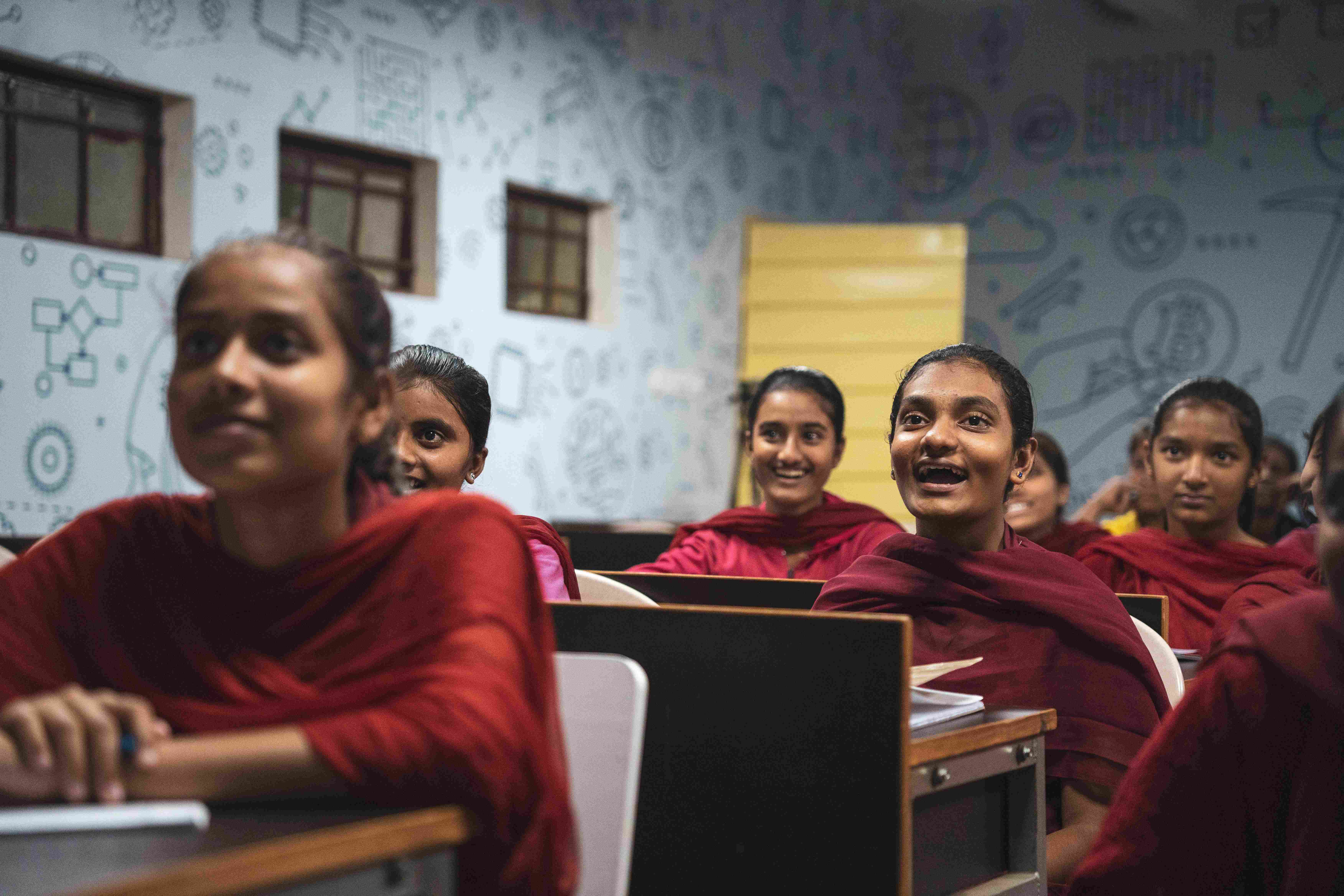
Somewhere around class 4 or 5, in a classroom, she saw a computer for the first time.

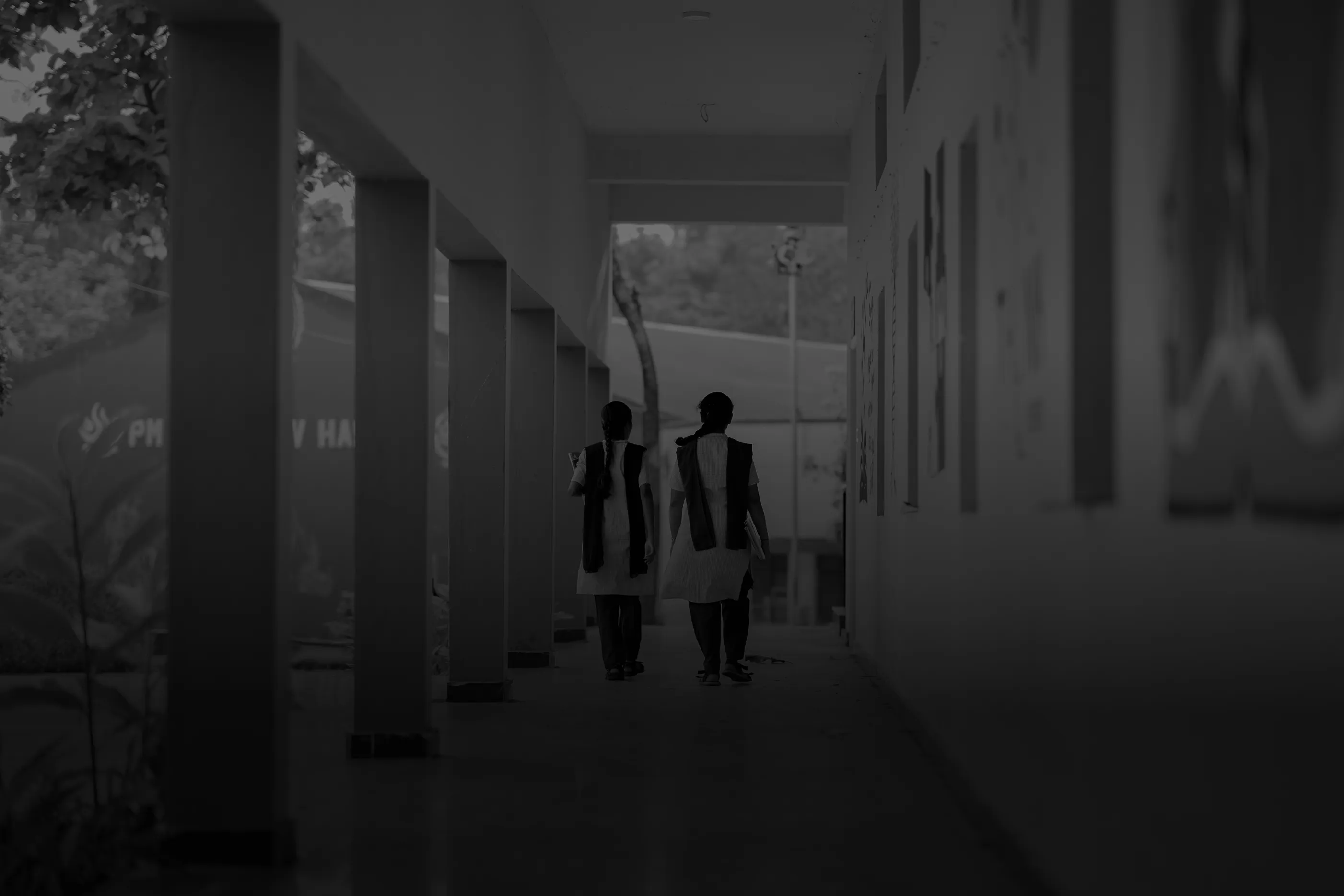
By class 9 she had cleared her way into the meritorious school at Talwada, three and a half hours away by car. Her family weren't sure. Nobody in her line had left before — and she was a girl, in a place where that is usually read as a reason to expect less of her rather than more. It took them a little while to come round to the idea of her going.

Kajal was thrilled.

She was fourteen.

It was at Talwada that she first heard the three letters. JEE — the entrance exam for India's engineering institutes, the one a few hundred thousand students clear out of more than a million who sit it. By class 10 it had become a plan. A friend's older brother was working as a software engineer at a company in Delhi, and something about that lodged in her. Not the salary. The machine. How does that work?

Ask Kajal why she loves studying and the answer is just that: she is curious, and she would like to know how things work. It is a plain thing to say. She means it completely.

The year that ended at one in the morning

In class 11, Avanti Fellows' online coaching arrived at her school, and Kajal went at it the way she went at everything. The teaching was good, she says — but it was the tests that did the work. Eleven or twelve of them, week after week, and she sat every single one. Winter bootcamp. Summer bootcamp. And then, on her own, she went out and bought second-hand books to patch the gaps she could feel opening up. Some came through a teacher, some through Avanti. Nobody asked her to do that.

The following year her school became an Avanti Centre of Excellence. She cleared the selection test with 95 marks.

What changed was everything around her. Teachers in the room to take her doubts. Past papers, notes, proper test reports — and she actually read them, hunting down the places she was losing marks. A mentor sat with her and built a plan around her weakest sections.

Her days ran like this. School until 2:50. Coaching at 6:30. Then self-study, eight in the evening until one in the morning, and back in a classroom by half past seven. Five hours of work after most people have gone to bed, and then up again.

By the time she walked in to sit JEE Main, she wasn't nervous. She had taken so many mock tests that the real one felt like one more.

She cleared it, in the 92nd percentile. This year she starts at NIT Jalandhar, reading Electrical Engineering — one generation removed from a father who left school at 8th grade and a mother who never started.

Nothing, and nobody

She is sixteen, and she is not made of stone about any of it.

Ask what frightens her and she says: nothing, and nobody. She has never once been outside Punjab, and when we asked whether leaving scared her there wasn't a beat of hesitation, not one. But the last time she cried was five or six months ago, and it was only homesickness — her grandparents' house, and her masi most of all, the aunt who raised her, thirty-four now and married two years and still in Roopnagar. When Kajal goes home there is saag and makki di roti waiting. She'll eat it, and then she'll get back to her books.

She reads. She listens to music when she can; phones aren't allowed at a residential school. Her sister, a year younger, is going toward the arts.

And if it hadn't worked? She'd have sat the next exam, she said, and the next. If none of them came through — a BSc, then an MSc. Perhaps she'd teach. There was no version of the answer in which she stopped.

What she wants now is to work on artificial intelligence. To earn properly. And to travel — England first, because she has seen London in films and would like to check it against the real thing. She has a quieter list as well: get her English better, take classes for it, learn to cook a bit more.

The classroom that wasn't there

Kajal brought the curiosity, and the one-in-the-morning finishes, and the nerve it took to walk out of that house at fourteen.

What your support put beside her was the rest of it — a JEE-standard classroom in a place that had never had one, tests that told her exactly where she stood, bootcamps, a mentor who knew which weakness to go after first. And the thing underneath all of it: that a farmer's daughter in Roopnagar could set her sights on a National Institute of Technology and have it be a reasonable plan rather than a fantasy.

Her family have worked the same seasons on the same land for as long as anyone can remember. Kajal sowed that ground and was always back at her desk before the harvest came in.

This one is hers.
__wf_reserved_inherit
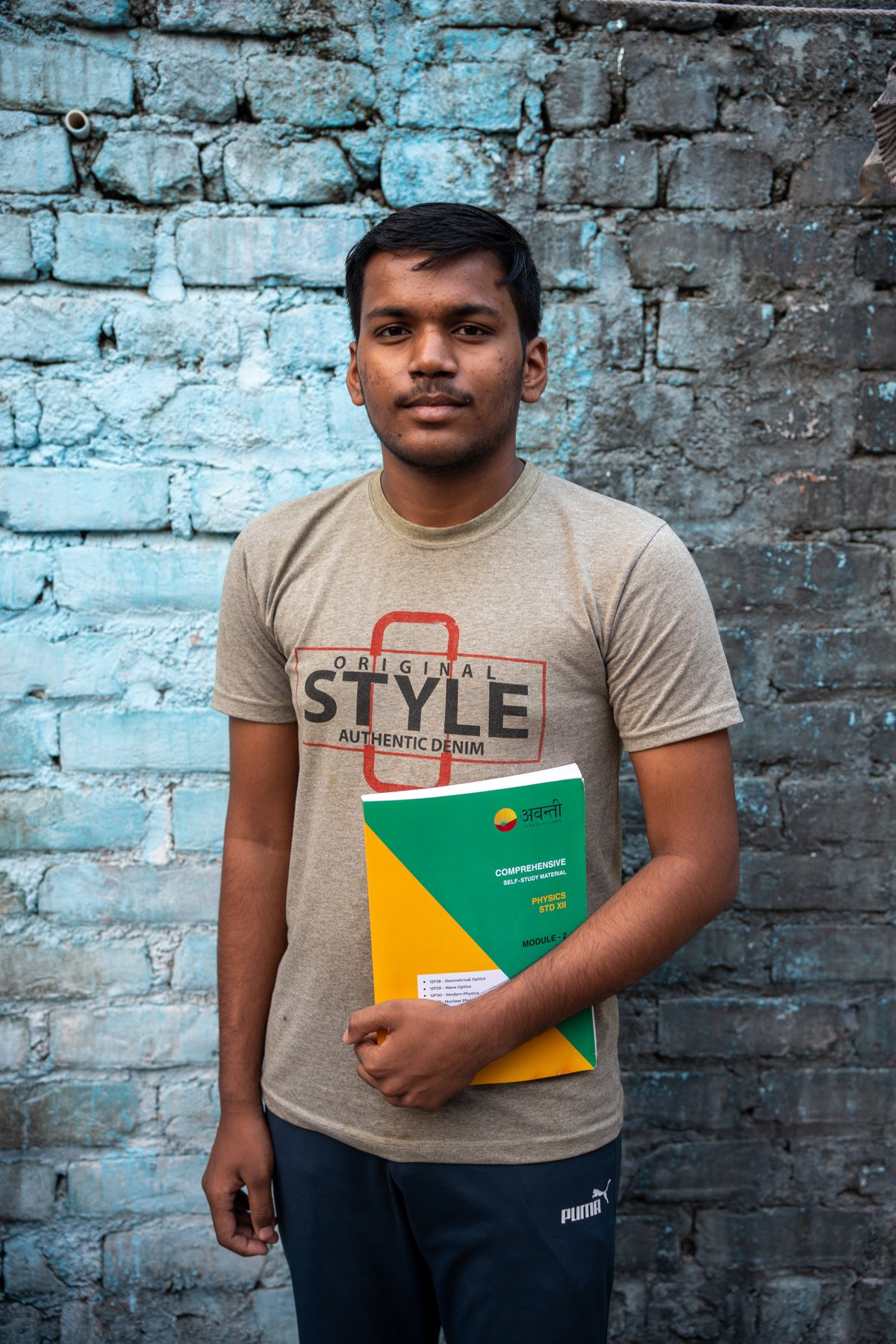
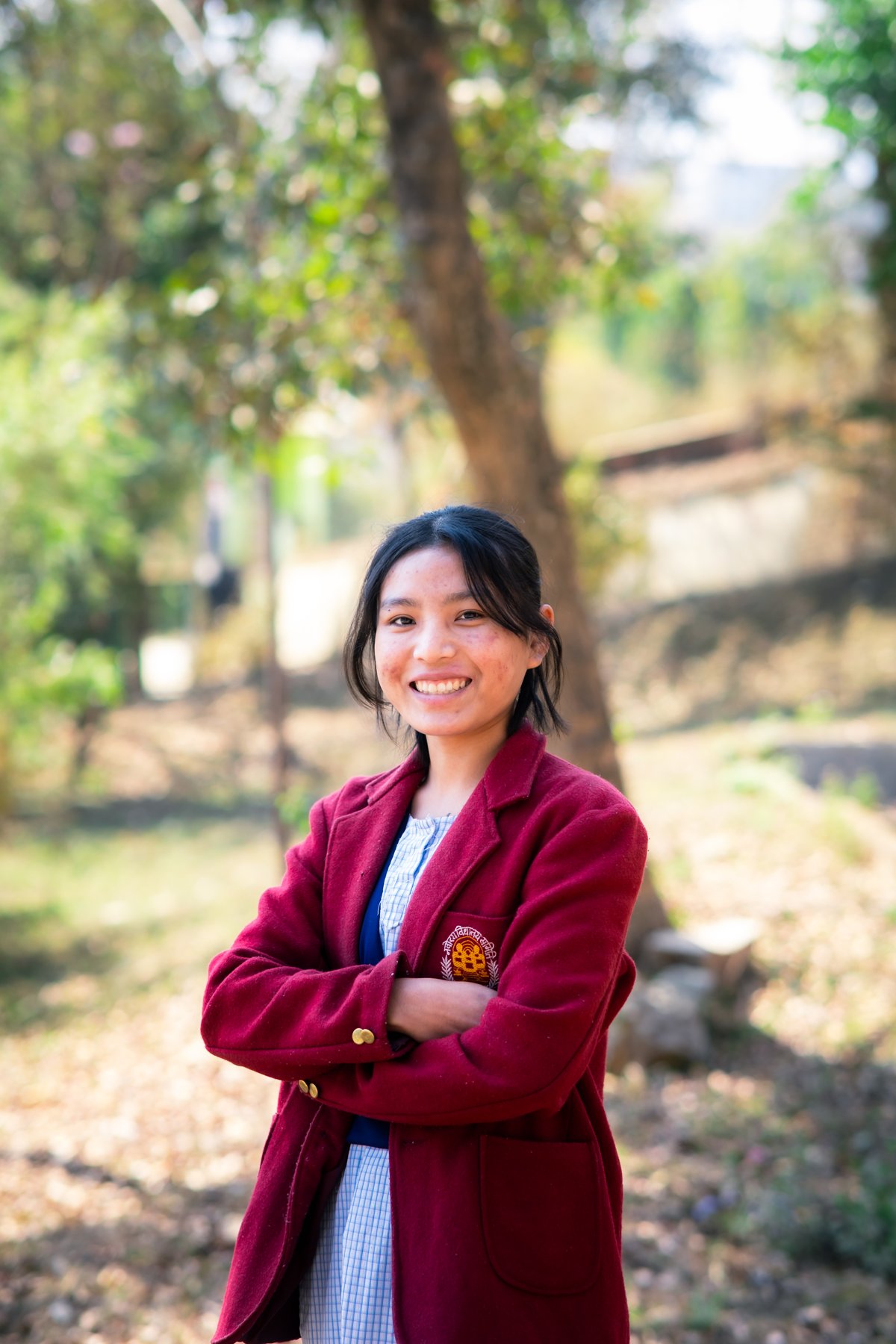
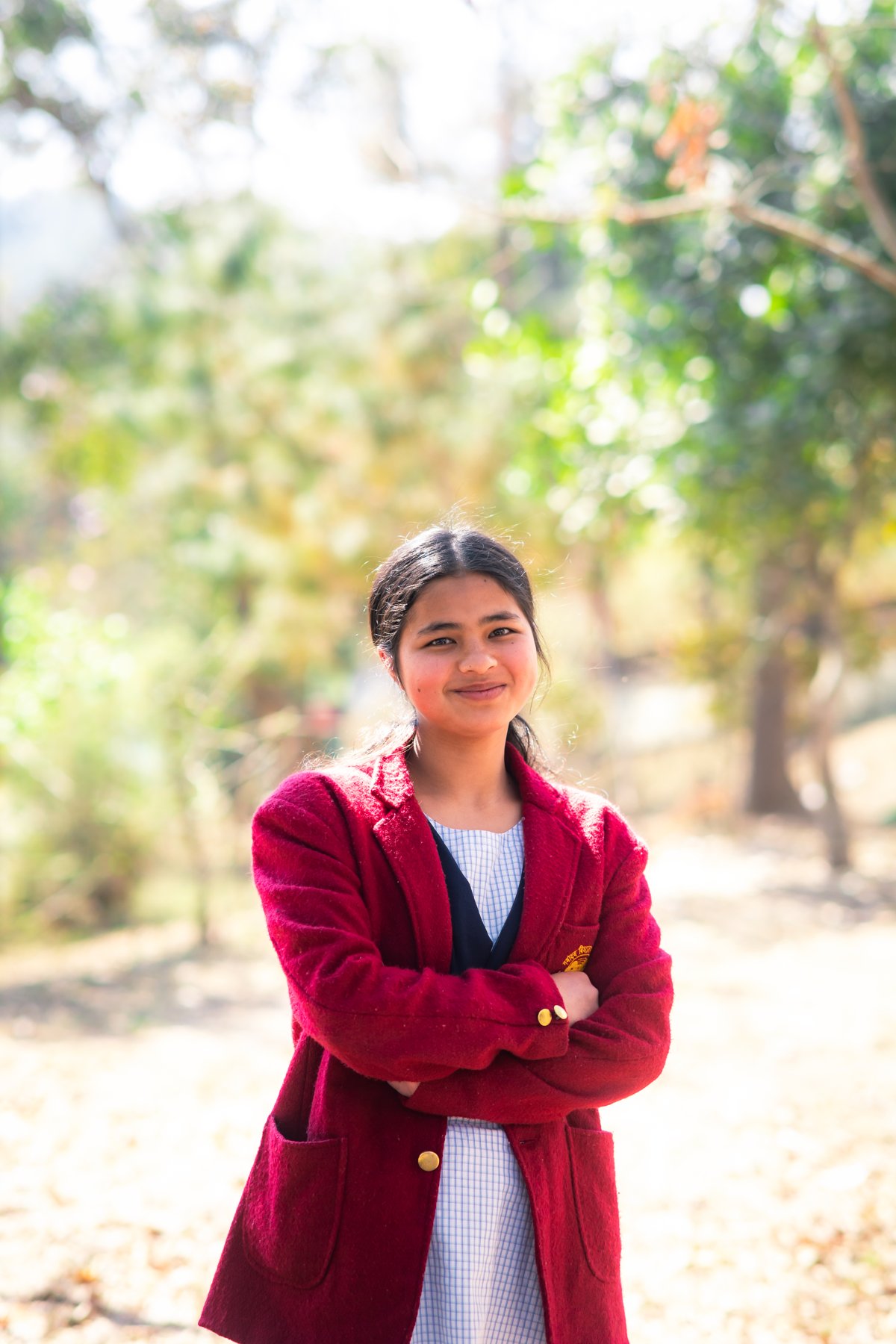
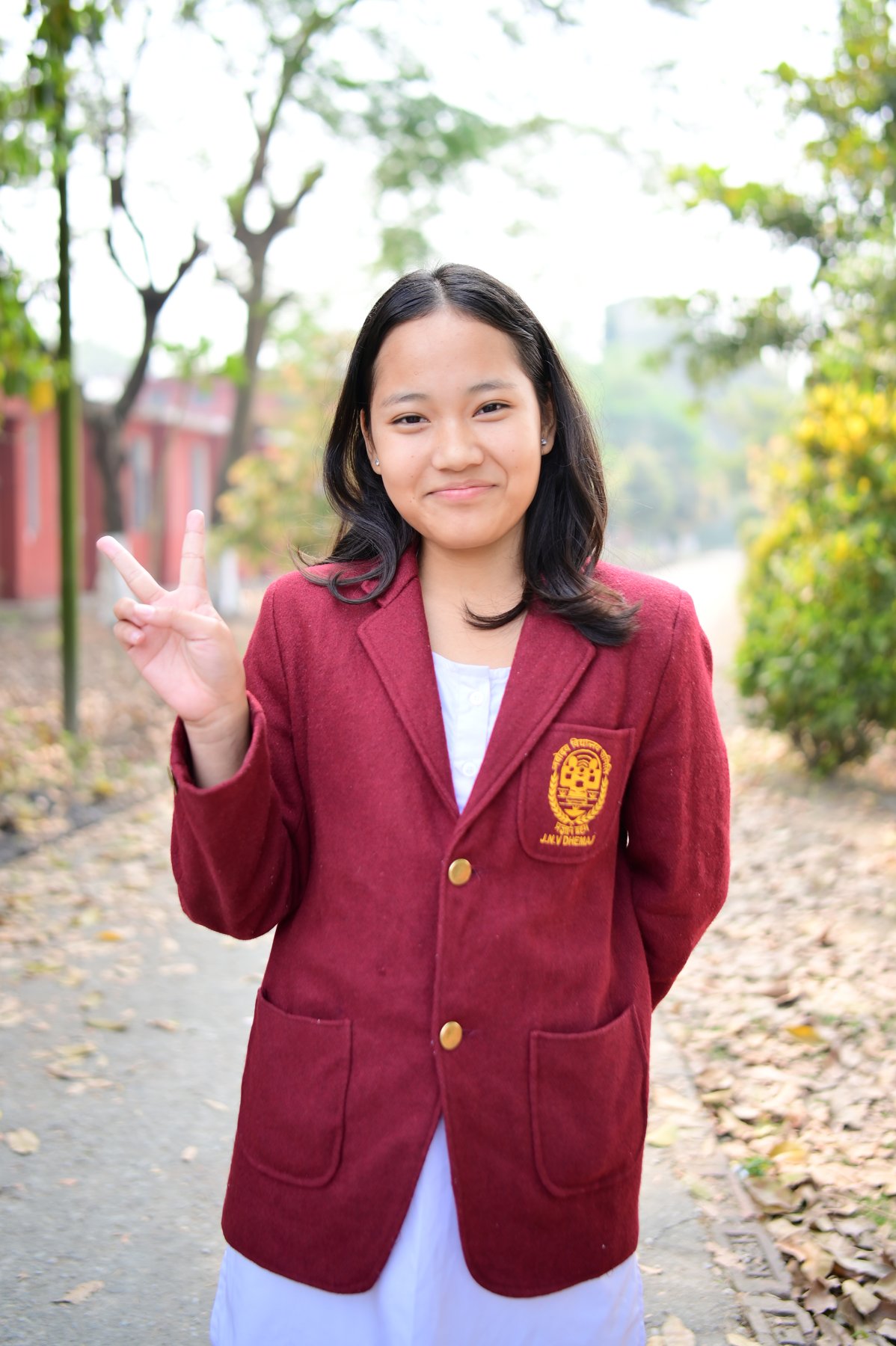
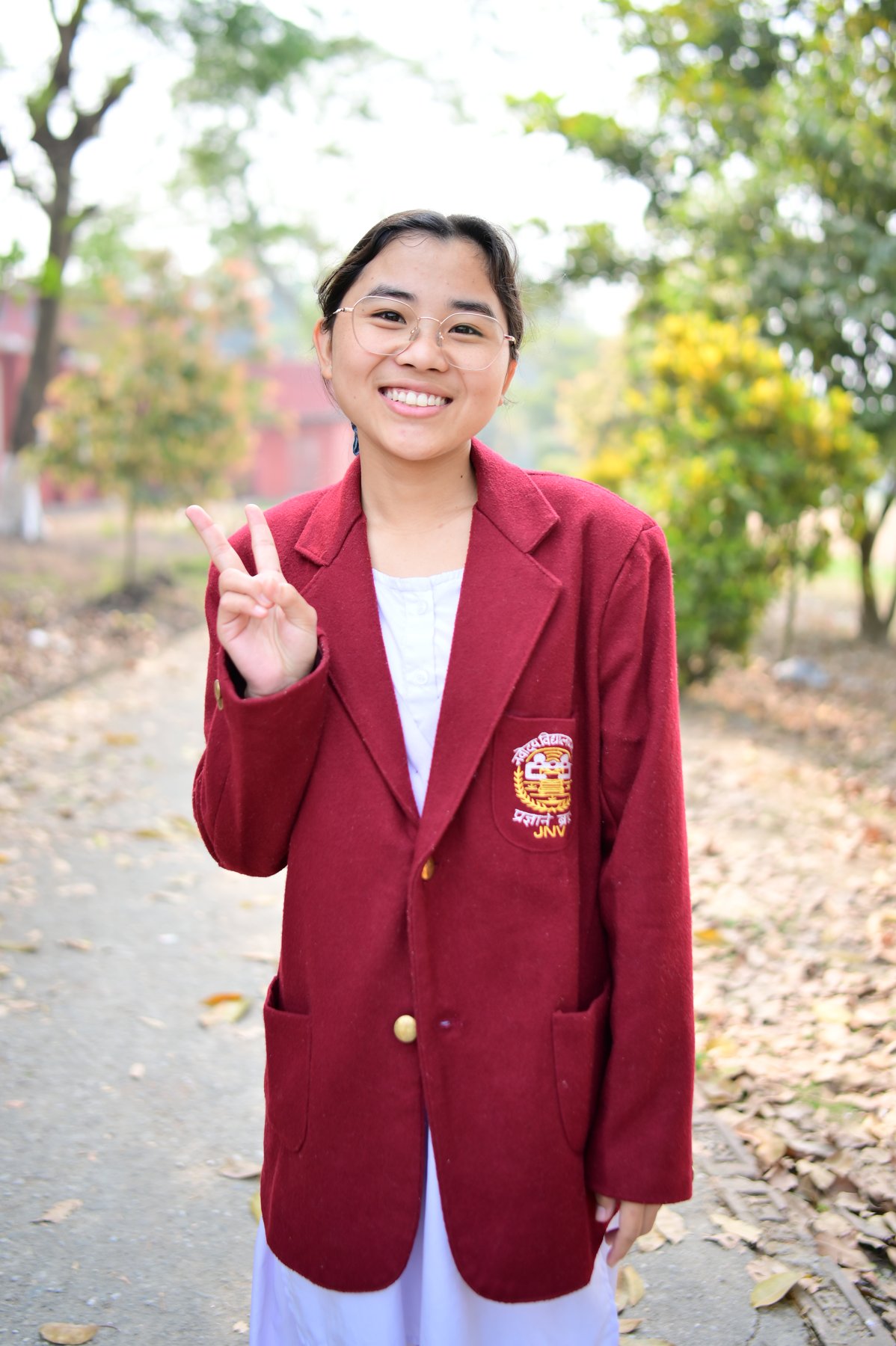
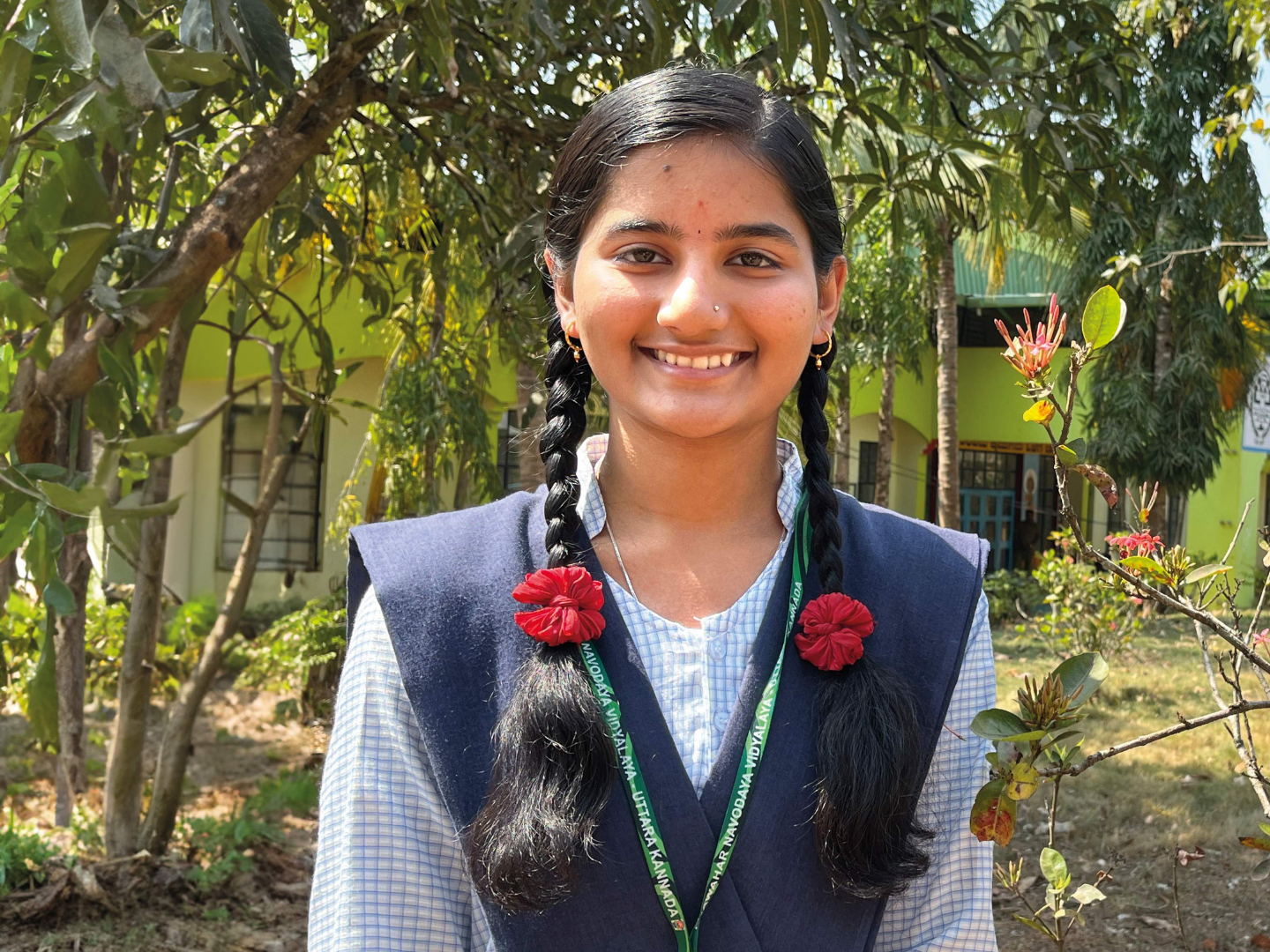
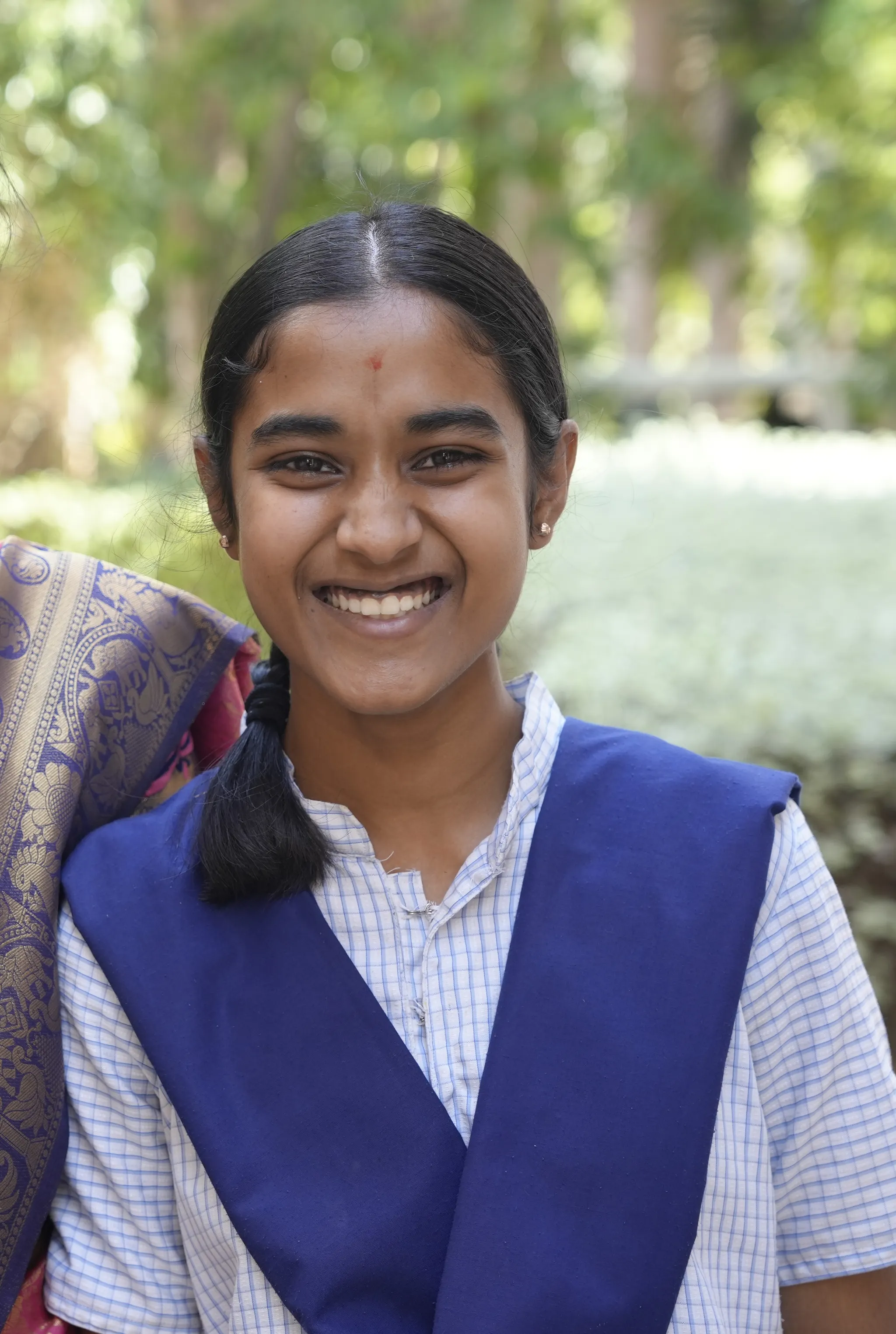
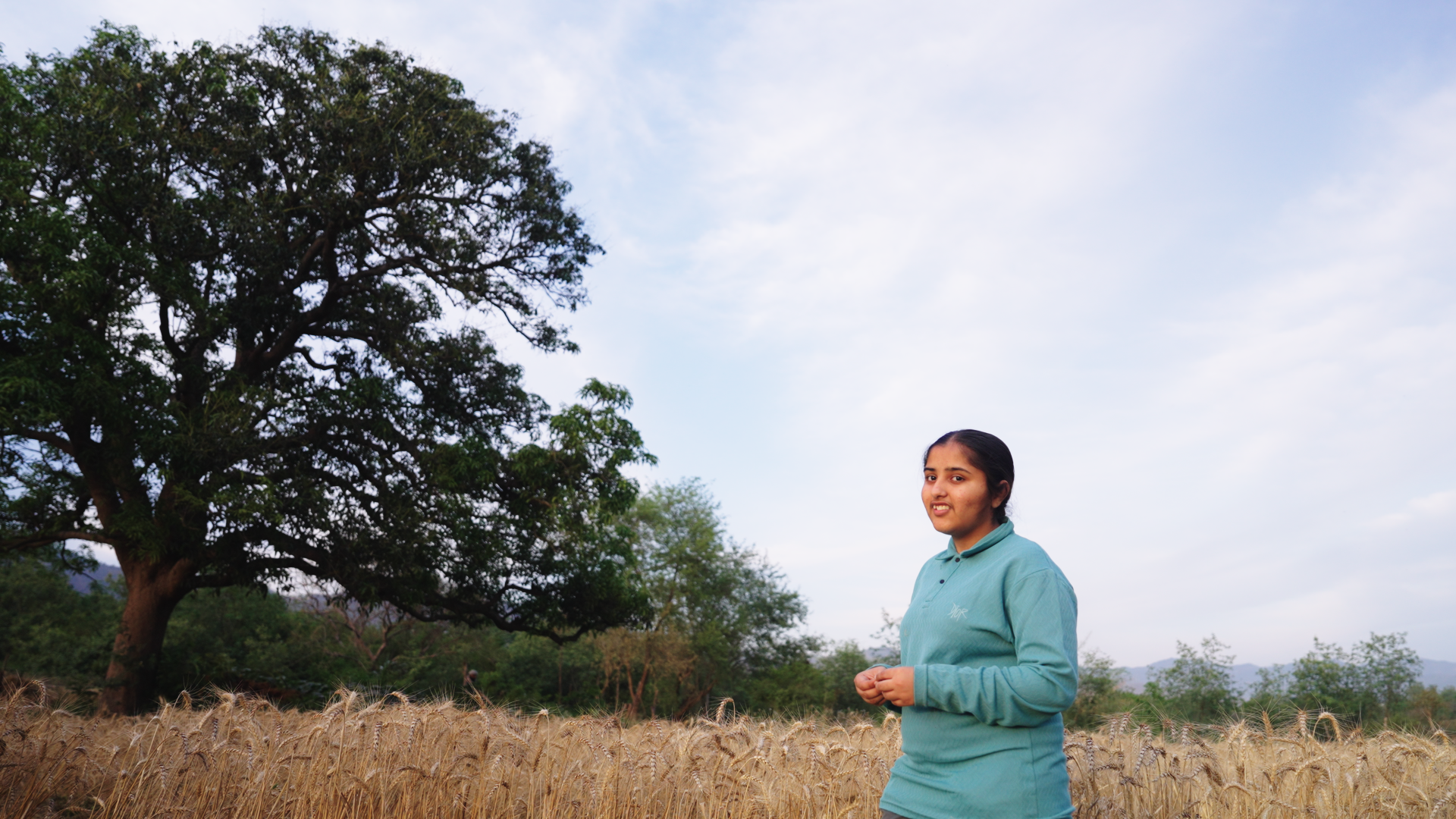
Kajal, 16, is from Roopnagar, Punjab. She was supported through Avanti Fellows' online JEE programme and Centre of Excellence, cleared JEE Main 2026 in the 92nd percentile, and is studying Electrical Engineering at NIT Jalandhar.

A Season of Her Own

She sowed the fields and missed every harvest for school. Kajal is now studying Electrical Engineering at NIT Jalandhar.

Wheat goes into the ground in November. Kajal was small enough to walk between the rows when she started helping, following her father down the line, pressing seeds into the soil behind him.

She was never there when it came up. Wheat is cut in April, and April is school term.

That is more or less the shape of her childhood. The family has a small plot in Roopnagar, Punjab, and her father farms it; he left school after the 8th grade. Her mother never got to go at all. The house they live in has held the family for generations — the same rooms, the same fields, the same run of seasons, nobody leaving. Kajal grew up a little apart from all that, at her grandparents' place, in the noise of two mamajis, a mamiji, and the masi who raised her.

Somewhere around class 4 or 5, in a classroom, she saw a computer for the first time.

By class 9 she had cleared her way into the meritorious school at Talwada, three and a half hours away by car. Her family weren't sure. Nobody in her line had left before — and she was a girl, in a place where that is usually read as a reason to expect less of her rather than more. It took them a little while to come round to the idea of her going.

Kajal was thrilled.

She was fourteen.

It was at Talwada that she first heard the three letters. JEE — the entrance exam for India's engineering institutes, the one a few hundred thousand students clear out of more than a million who sit it. By class 10 it had become a plan. A friend's older brother was working as a software engineer at a company in Delhi, and something about that lodged in her. Not the salary. The machine. How does that work?

Ask Kajal why she loves studying and the answer is just that: she is curious, and she would like to know how things work. It is a plain thing to say. She means it completely.

The year that ended at one in the morning

In class 11, Avanti Fellows' online coaching arrived at her school, and Kajal went at it the way she went at everything. The teaching was good, she says — but it was the tests that did the work. Eleven or twelve of them, week after week, and she sat every single one. Winter bootcamp. Summer bootcamp. And then, on her own, she went out and bought second-hand books to patch the gaps she could feel opening up. Some came through a teacher, some through Avanti. Nobody asked her to do that.

The following year her school became an Avanti Centre of Excellence. She cleared the selection test with 95 marks.

What changed was everything around her. Teachers in the room to take her doubts. Past papers, notes, proper test reports — and she actually read them, hunting down the places she was losing marks. A mentor sat with her and built a plan around her weakest sections.

Her days ran like this. School until 2:50. Coaching at 6:30. Then self-study, eight in the evening until one in the morning, and back in a classroom by half past seven. Five hours of work after most people have gone to bed, and then up again.

By the time she walked in to sit JEE Main, she wasn't nervous. She had taken so many mock tests that the real one felt like one more.

She cleared it, in the 92nd percentile. This year she starts at NIT Jalandhar, reading Electrical Engineering — one generation removed from a father who left school at 8th grade and a mother who never started.

Nothing, and nobody

She is sixteen, and she is not made of stone about any of it.

Ask what frightens her and she says: nothing, and nobody. She has never once been outside Punjab, and when we asked whether leaving scared her there wasn't a beat of hesitation, not one. But the last time she cried was five or six months ago, and it was only homesickness — her grandparents' house, and her masi most of all, the aunt who raised her, thirty-four now and married two years and still in Roopnagar. When Kajal goes home there is saag and makki di roti waiting. She'll eat it, and then she'll get back to her books.

She reads. She listens to music when she can; phones aren't allowed at a residential school. Her sister, a year younger, is going toward the arts.

And if it hadn't worked? She'd have sat the next exam, she said, and the next. If none of them came through — a BSc, then an MSc. Perhaps she'd teach. There was no version of the answer in which she stopped.

What she wants now is to work on artificial intelligence. To earn properly. And to travel — England first, because she has seen London in films and would like to check it against the real thing. She has a quieter list as well: get her English better, take classes for it, learn to cook a bit more.

The classroom that wasn't there

Kajal brought the curiosity, and the one-in-the-morning finishes, and the nerve it took to walk out of that house at fourteen.

What your support put beside her was the rest of it — a JEE-standard classroom in a place that had never had one, tests that told her exactly where she stood, bootcamps, a mentor who knew which weakness to go after first. And the thing underneath all of it: that a farmer's daughter in Roopnagar could set her sights on a National Institute of Technology and have it be a reasonable plan rather than a fantasy.

Her family have worked the same seasons on the same land for as long as anyone can remember. Kajal sowed that ground and was always back at her desk before the harvest came in.

This one is hers.
__wf_reserved_inherit
Kajal, 16, is from Roopnagar, Punjab. She was supported through Avanti Fellows' online JEE programme and Centre of Excellence, cleared JEE Main 2026 in the 92nd percentile, and is studying Electrical Engineering at NIT Jalandhar.

A Season of Her Own

She sowed the fields and missed every harvest for school. Kajal is now studying Electrical Engineering at NIT Jalandhar.

Wheat goes into the ground in November. Kajal was small enough to walk between the rows when she started helping, following her father down the line, pressing seeds into the soil behind him.

She was never there when it came up. Wheat is cut in April, and April is school term.

That is more or less the shape of her childhood. The family has a small plot in Roopnagar, Punjab, and her father farms it; he left school after the 8th grade. Her mother never got to go at all. The house they live in has held the family for generations — the same rooms, the same fields, the same run of seasons, nobody leaving. Kajal grew up a little apart from all that, at her grandparents' place, in the noise of two mamajis, a mamiji, and the masi who raised her.

Somewhere around class 4 or 5, in a classroom, she saw a computer for the first time.

By class 9 she had cleared her way into the meritorious school at Talwada, three and a half hours away by car. Her family weren't sure. Nobody in her line had left before — and she was a girl, in a place where that is usually read as a reason to expect less of her rather than more. It took them a little while to come round to the idea of her going.

Kajal was thrilled.

She was fourteen.

It was at Talwada that she first heard the three letters. JEE — the entrance exam for India's engineering institutes, the one a few hundred thousand students clear out of more than a million who sit it. By class 10 it had become a plan. A friend's older brother was working as a software engineer at a company in Delhi, and something about that lodged in her. Not the salary. The machine. How does that work?

Ask Kajal why she loves studying and the answer is just that: she is curious, and she would like to know how things work. It is a plain thing to say. She means it completely.

The year that ended at one in the morning

In class 11, Avanti Fellows' online coaching arrived at her school, and Kajal went at it the way she went at everything. The teaching was good, she says — but it was the tests that did the work. Eleven or twelve of them, week after week, and she sat every single one. Winter bootcamp. Summer bootcamp. And then, on her own, she went out and bought second-hand books to patch the gaps she could feel opening up. Some came through a teacher, some through Avanti. Nobody asked her to do that.

The following year her school became an Avanti Centre of Excellence. She cleared the selection test with 95 marks.

What changed was everything around her. Teachers in the room to take her doubts. Past papers, notes, proper test reports — and she actually read them, hunting down the places she was losing marks. A mentor sat with her and built a plan around her weakest sections.

Her days ran like this. School until 2:50. Coaching at 6:30. Then self-study, eight in the evening until one in the morning, and back in a classroom by half past seven. Five hours of work after most people have gone to bed, and then up again.

By the time she walked in to sit JEE Main, she wasn't nervous. She had taken so many mock tests that the real one felt like one more.

She cleared it, in the 92nd percentile. This year she starts at NIT Jalandhar, reading Electrical Engineering — one generation removed from a father who left school at 8th grade and a mother who never started.

Nothing, and nobody

She is sixteen, and she is not made of stone about any of it.

Ask what frightens her and she says: nothing, and nobody. She has never once been outside Punjab, and when we asked whether leaving scared her there wasn't a beat of hesitation, not one. But the last time she cried was five or six months ago, and it was only homesickness — her grandparents' house, and her masi most of all, the aunt who raised her, thirty-four now and married two years and still in Roopnagar. When Kajal goes home there is saag and makki di roti waiting. She'll eat it, and then she'll get back to her books.

She reads. She listens to music when she can; phones aren't allowed at a residential school. Her sister, a year younger, is going toward the arts.

And if it hadn't worked? She'd have sat the next exam, she said, and the next. If none of them came through — a BSc, then an MSc. Perhaps she'd teach. There was no version of the answer in which she stopped.

What she wants now is to work on artificial intelligence. To earn properly. And to travel — England first, because she has seen London in films and would like to check it against the real thing. She has a quieter list as well: get her English better, take classes for it, learn to cook a bit more.

The classroom that wasn't there

Kajal brought the curiosity, and the one-in-the-morning finishes, and the nerve it took to walk out of that house at fourteen.

What your support put beside her was the rest of it — a JEE-standard classroom in a place that had never had one, tests that told her exactly where she stood, bootcamps, a mentor who knew which weakness to go after first. And the thing underneath all of it: that a farmer's daughter in Roopnagar could set her sights on a National Institute of Technology and have it be a reasonable plan rather than a fantasy.

Her family have worked the same seasons on the same land for as long as anyone can remember. Kajal sowed that ground and was always back at her desk before the harvest came in.

This one is hers.
__wf_reserved_inherit
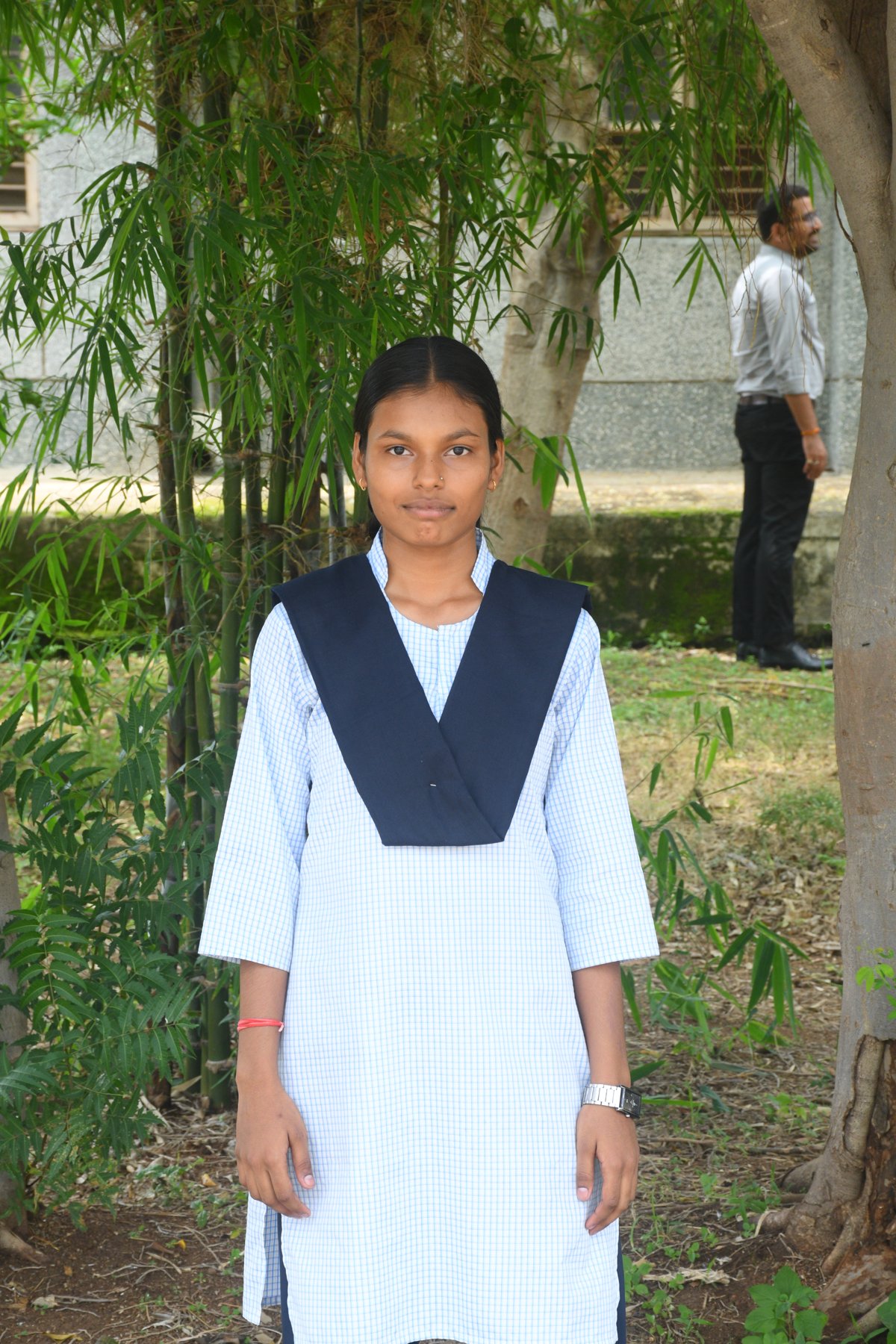
Kajal, 16, is from Roopnagar, Punjab. She was supported through Avanti Fellows' online JEE programme and Centre of Excellence, cleared JEE Main 2026 in the 92nd percentile, and is studying Electrical Engineering at NIT Jalandhar.

No items found.