The First to Leave

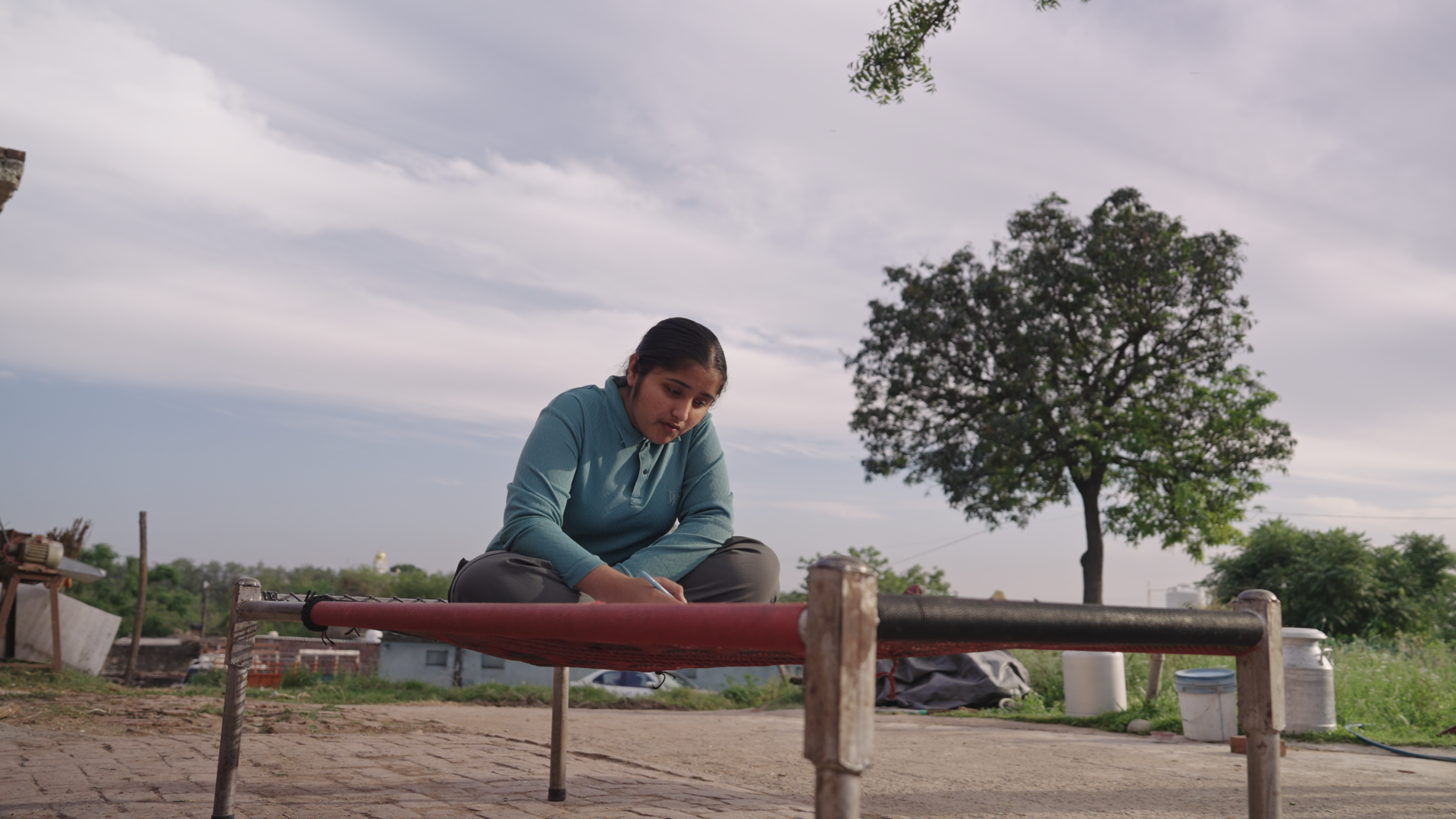
Kajal was still small enough to walk between the rows when she started helping her father sow wheat.

The family owns a small plot of land in Roopnagar, Punjab. Her father farms it. He studied till the 8th grade. Her mother never got the chance to study at all. Sowing season, Kajal was out there beside him, pressing seeds into Punjab soil. Harvest season, she wasn't — because harvest fell during school term, and school was not negotiable.

The house she grew up in has belonged to her family for generations. Generations of them have lived in it, farmed the same land, and stayed. Kajal is the first to leave. And she is a girl — in a community where that is often taken as a reason to expect less of her, not more. Whatever courage it took to walk out of that house and into an unfamiliar life, nobody in her family line had been asked to find it before. She found it at fourteen.

Somewhere in class 4 or 5, in a classroom, she saw a computer for the first time.

Leaving

In class 9, Kajal cleared her way into the meritorious school in Talwada — three and a half hours by car from everything she had ever known. She had grown up in her grandparents' home in Roopnagar, surrounded by two mamajis, a mamiji, and the masi who raised her.

Her family didn't want her to go. They were sad about it. Kajal was excited.

That same year, she heard three letters for the first time: J-E-E. India's entrance exam for its engineering institutes — the one that a few hundred thousand students clear out of more than a million who sit for it.

By class 10 she had a target. A friend's older brother was a software engineer at a private company in Delhi, and the idea took hold: that. I want to know how that works. Curiosity is the thing that drives Kajal. She wants to know how things work.

The years that donors paid for

Class 11. Kajal joined Avanti Fellows' online JEE coaching at her school. The teaching was good, she says — but it was the tests that made the difference. Eleven, twelve weekly tests. She sat every one of them. She attended the winter bootcamp and the summer bootcamp.

And then, on her own initiative, she went out and bought second-hand books to fill the gaps — some tracked down through a school teacher, some through Avanti. Nobody told her to do that.

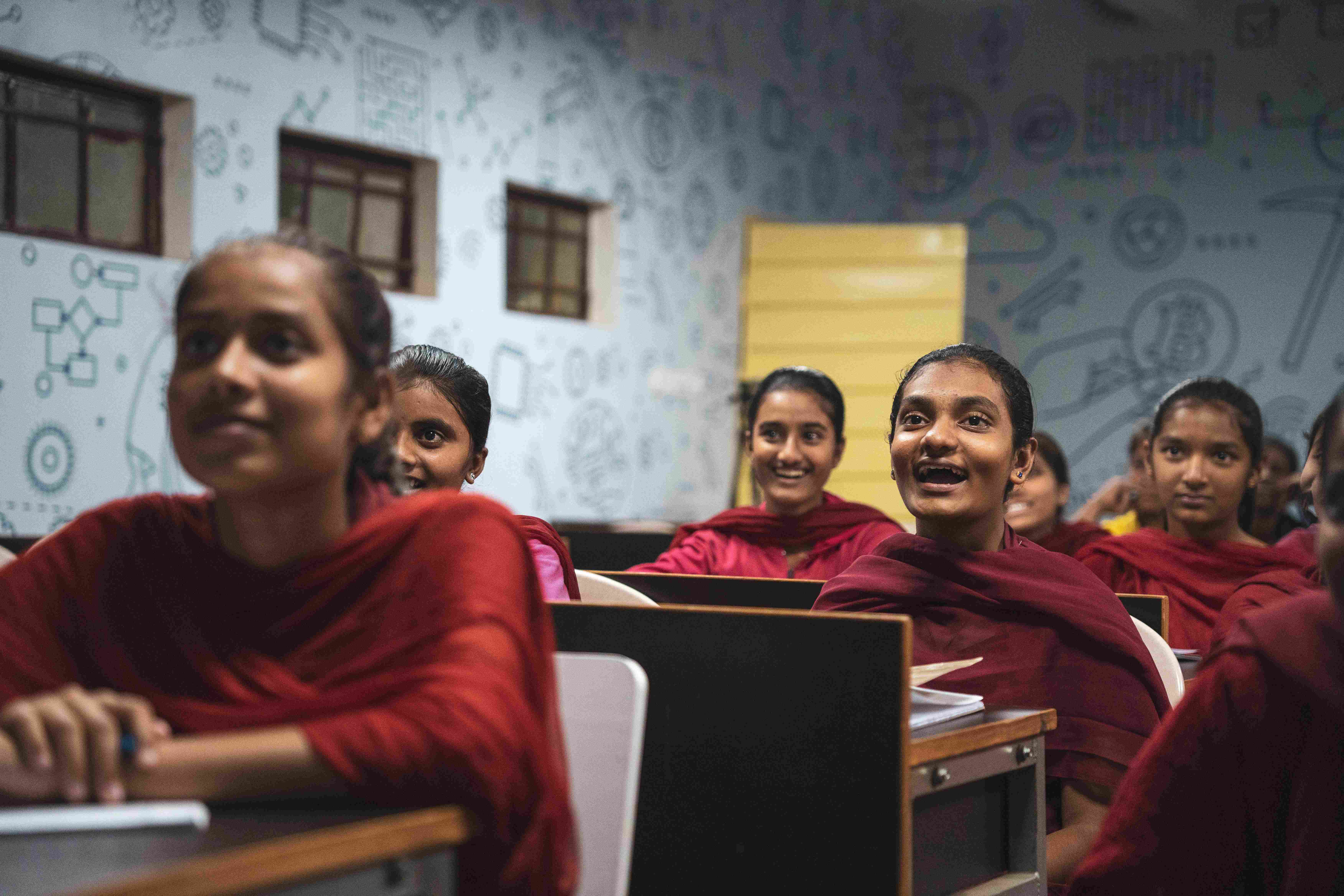
Class 12. Her school became an Avanti Centre of Excellence. Kajal cleared the selection test with 95 marks and got in.

This is where preparation became something else entirely. Doubt-solving with teachers in the room. Books, past year question papers, notes, tests — and test reports she actually used, hunting down her own weak spots. A mentor sat with her and built a strategy around the sections she was losing marks on.

Her routine, for a year:

  • 2:50 pm — school ends
  • 6:30 pm — coaching
  • 8:00 pm to 1:00 am — self-study
  • 7:30 am — back in coaching class

Five hours of study after most people have gone to bed. Then up again.

By the time she walked into JEE Main, Kajal wasn't nervous. She had given so many mock tests that the real thing felt like one more.

The result

Kajal cleared JEE Main 2026. She has been admitted to NIT Jalandhar to study Electrical Engineering.

A National Institute of Technology. From a wheat farm in Roopnagar, in a single generation, from a father who left school after 8th grade and a mother who never entered one.

What she carries with her

Ask Kajal what she's most afraid of and she says: nothing and nobody.

She has never left Punjab. When we asked whether that scared her, there was no hesitation at all — not one beat of it.

But she is sixteen, and she is not made of stone. The last time she cried was five or six months ago, out of nothing but nostalgia: missing her grandparents' house, missing her masi most of all — the aunt who raised her, now 34 and married two years, still in Roopnagar. When Kajal goes home, there is saag and makki ki roti waiting. She'll eat, and then she'll get back to test prep.

She reads. She listens to music when she can — phones aren't allowed at a residential school. Her younger sister, 15, is headed toward the arts.

And when things don't go well? She picks herself up and tries again. We asked her what she'd do if JEE hadn't worked out. She'd sit for the next exam, she said. And the next. If none of them came through — BSc, then MSc. Maybe she'd become a teacher.

There was never a version of the answer where she stopped.

What comes next

Kajal wants to work in artificial intelligence. She wants to earn well. And she wants to travel the world — England first, because she has seen London in films and would like to see whether it looks the same in real life.

She also has a quieter list. Improve her English. Take offline classes. Learn to cook better.

Where you came in

Kajal brought the curiosity, the 1 am study sessions, and the nerve to leave home at fourteen.

What your support brought was the rest: a JEE-standard classroom in a place where there wasn't one, weekly tests that told her exactly where she stood, bootcamps, a mentor who knew which of her weak spots to attack first — and the simple fact that a farmer's daughter in Roopnagar could aim at a National Institute of Technology and have it be a reasonable plan rather than a fantasy.

Generations of her family stayed in one house on one piece of land. This year Kajal leaves for Jalandhar. After that, she says, London.

We'd bet on her.
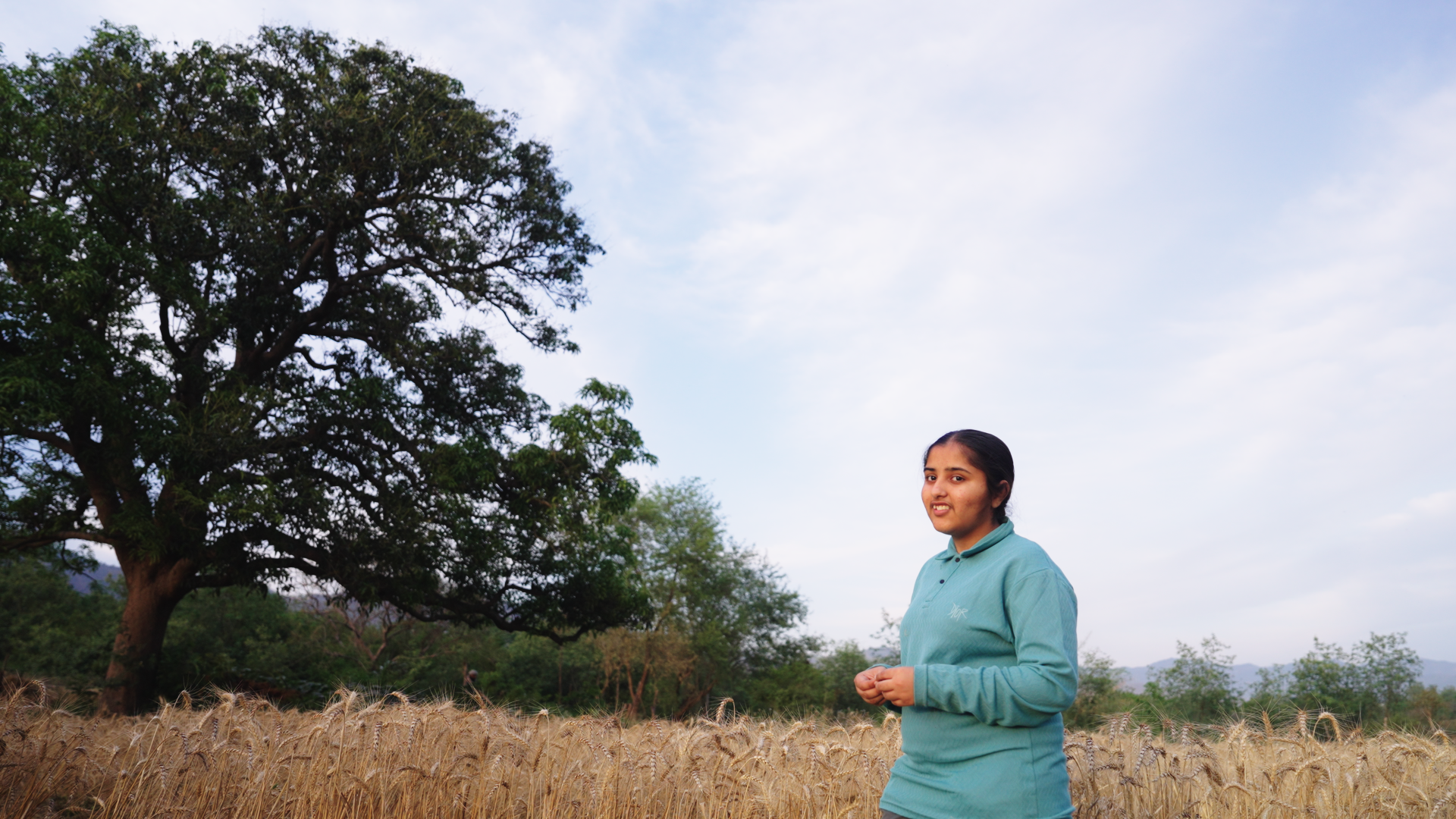
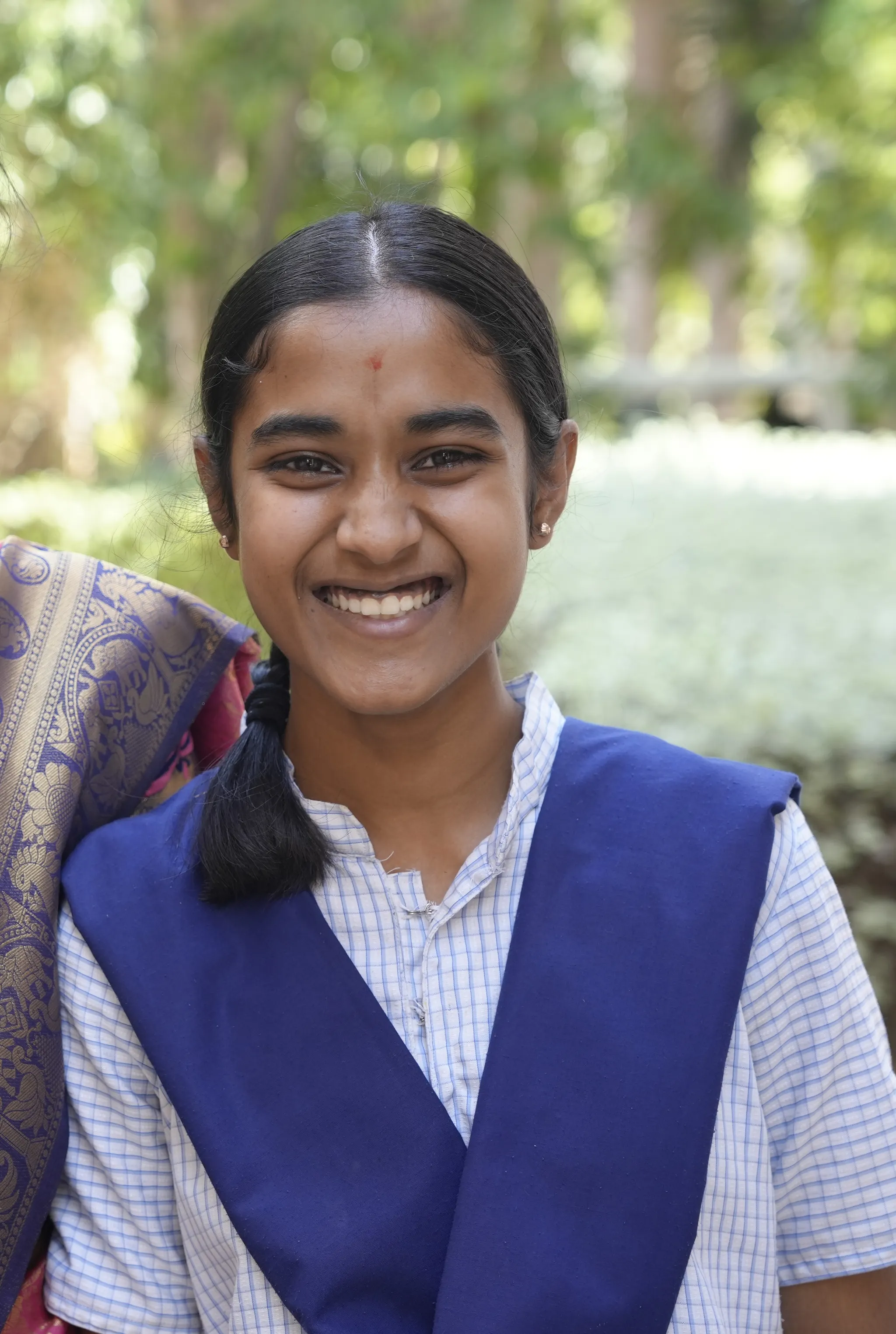
Kajal, 16, is from Roopnagar, Punjab. She was supported through Avanti Fellows' online JEE programme and Centre of Excellence, and cleared JEE Main 2026.

The First to Leave

Generations of her family stayed on the same land. Kajal left — and cleared JEE Main for NIT Jalandhar.

Kajal was still small enough to walk between the rows when she started helping her father sow wheat.

The family owns a small plot of land in Roopnagar, Punjab. Her father farms it. He studied till the 8th grade. Her mother never got the chance to study at all. Sowing season, Kajal was out there beside him, pressing seeds into Punjab soil. Harvest season, she wasn't — because harvest fell during school term, and school was not negotiable.

The house she grew up in has belonged to her family for generations. Generations of them have lived in it, farmed the same land, and stayed. Kajal is the first to leave. And she is a girl — in a community where that is often taken as a reason to expect less of her, not more. Whatever courage it took to walk out of that house and into an unfamiliar life, nobody in her family line had been asked to find it before. She found it at fourteen.

Somewhere in class 4 or 5, in a classroom, she saw a computer for the first time.

Leaving

In class 9, Kajal cleared her way into the meritorious school in Talwada — three and a half hours by car from everything she had ever known. She had grown up in her grandparents' home in Roopnagar, surrounded by two mamajis, a mamiji, and the masi who raised her.

Her family didn't want her to go. They were sad about it. Kajal was excited.

That same year, she heard three letters for the first time: J-E-E. India's entrance exam for its engineering institutes — the one that a few hundred thousand students clear out of more than a million who sit for it.

By class 10 she had a target. A friend's older brother was a software engineer at a private company in Delhi, and the idea took hold: that. I want to know how that works. Curiosity is the thing that drives Kajal. She wants to know how things work.

The years that donors paid for

Class 11. Kajal joined Avanti Fellows' online JEE coaching at her school. The teaching was good, she says — but it was the tests that made the difference. Eleven, twelve weekly tests. She sat every one of them. She attended the winter bootcamp and the summer bootcamp.

And then, on her own initiative, she went out and bought second-hand books to fill the gaps — some tracked down through a school teacher, some through Avanti. Nobody told her to do that.

Class 12. Her school became an Avanti Centre of Excellence. Kajal cleared the selection test with 95 marks and got in.

This is where preparation became something else entirely. Doubt-solving with teachers in the room. Books, past year question papers, notes, tests — and test reports she actually used, hunting down her own weak spots. A mentor sat with her and built a strategy around the sections she was losing marks on.

Her routine, for a year:

  • 2:50 pm — school ends
  • 6:30 pm — coaching
  • 8:00 pm to 1:00 am — self-study
  • 7:30 am — back in coaching class

Five hours of study after most people have gone to bed. Then up again.

By the time she walked into JEE Main, Kajal wasn't nervous. She had given so many mock tests that the real thing felt like one more.

The result

Kajal cleared JEE Main 2026. She has been admitted to NIT Jalandhar to study Electrical Engineering.

A National Institute of Technology. From a wheat farm in Roopnagar, in a single generation, from a father who left school after 8th grade and a mother who never entered one.

What she carries with her

Ask Kajal what she's most afraid of and she says: nothing and nobody.

She has never left Punjab. When we asked whether that scared her, there was no hesitation at all — not one beat of it.

But she is sixteen, and she is not made of stone. The last time she cried was five or six months ago, out of nothing but nostalgia: missing her grandparents' house, missing her masi most of all — the aunt who raised her, now 34 and married two years, still in Roopnagar. When Kajal goes home, there is saag and makki ki roti waiting. She'll eat, and then she'll get back to test prep.

She reads. She listens to music when she can — phones aren't allowed at a residential school. Her younger sister, 15, is headed toward the arts.

And when things don't go well? She picks herself up and tries again. We asked her what she'd do if JEE hadn't worked out. She'd sit for the next exam, she said. And the next. If none of them came through — BSc, then MSc. Maybe she'd become a teacher.

There was never a version of the answer where she stopped.

What comes next

Kajal wants to work in artificial intelligence. She wants to earn well. And she wants to travel the world — England first, because she has seen London in films and would like to see whether it looks the same in real life.

She also has a quieter list. Improve her English. Take offline classes. Learn to cook better.

Where you came in

Kajal brought the curiosity, the 1 am study sessions, and the nerve to leave home at fourteen.

What your support brought was the rest: a JEE-standard classroom in a place where there wasn't one, weekly tests that told her exactly where she stood, bootcamps, a mentor who knew which of her weak spots to attack first — and the simple fact that a farmer's daughter in Roopnagar could aim at a National Institute of Technology and have it be a reasonable plan rather than a fantasy.

Generations of her family stayed in one house on one piece of land. This year Kajal leaves for Jalandhar. After that, she says, London.

We'd bet on her.

Kajal, 16, is from Roopnagar, Punjab. She was supported through Avanti Fellows' online JEE programme and Centre of Excellence, and cleared JEE Main 2026.

The First to Leave

Generations of her family stayed on the same land. Kajal left — and cleared JEE Main for NIT Jalandhar.

Kajal was still small enough to walk between the rows when she started helping her father sow wheat.

The family owns a small plot of land in Roopnagar, Punjab. Her father farms it. He studied till the 8th grade. Her mother never got the chance to study at all. Sowing season, Kajal was out there beside him, pressing seeds into Punjab soil. Harvest season, she wasn't — because harvest fell during school term, and school was not negotiable.

The house she grew up in has belonged to her family for generations. Generations of them have lived in it, farmed the same land, and stayed. Kajal is the first to leave. And she is a girl — in a community where that is often taken as a reason to expect less of her, not more. Whatever courage it took to walk out of that house and into an unfamiliar life, nobody in her family line had been asked to find it before. She found it at fourteen.

Somewhere in class 4 or 5, in a classroom, she saw a computer for the first time.

Leaving

In class 9, Kajal cleared her way into the meritorious school in Talwada — three and a half hours by car from everything she had ever known. She had grown up in her grandparents' home in Roopnagar, surrounded by two mamajis, a mamiji, and the masi who raised her.

Her family didn't want her to go. They were sad about it. Kajal was excited.

That same year, she heard three letters for the first time: J-E-E. India's entrance exam for its engineering institutes — the one that a few hundred thousand students clear out of more than a million who sit for it.

By class 10 she had a target. A friend's older brother was a software engineer at a private company in Delhi, and the idea took hold: that. I want to know how that works. Curiosity is the thing that drives Kajal. She wants to know how things work.

The years that donors paid for

Class 11. Kajal joined Avanti Fellows' online JEE coaching at her school. The teaching was good, she says — but it was the tests that made the difference. Eleven, twelve weekly tests. She sat every one of them. She attended the winter bootcamp and the summer bootcamp.

And then, on her own initiative, she went out and bought second-hand books to fill the gaps — some tracked down through a school teacher, some through Avanti. Nobody told her to do that.

Class 12. Her school became an Avanti Centre of Excellence. Kajal cleared the selection test with 95 marks and got in.

This is where preparation became something else entirely. Doubt-solving with teachers in the room. Books, past year question papers, notes, tests — and test reports she actually used, hunting down her own weak spots. A mentor sat with her and built a strategy around the sections she was losing marks on.

Her routine, for a year:

  • 2:50 pm — school ends
  • 6:30 pm — coaching
  • 8:00 pm to 1:00 am — self-study
  • 7:30 am — back in coaching class

Five hours of study after most people have gone to bed. Then up again.

By the time she walked into JEE Main, Kajal wasn't nervous. She had given so many mock tests that the real thing felt like one more.

The result

Kajal cleared JEE Main 2026. She has been admitted to NIT Jalandhar to study Electrical Engineering.

A National Institute of Technology. From a wheat farm in Roopnagar, in a single generation, from a father who left school after 8th grade and a mother who never entered one.

What she carries with her

Ask Kajal what she's most afraid of and she says: nothing and nobody.

She has never left Punjab. When we asked whether that scared her, there was no hesitation at all — not one beat of it.

But she is sixteen, and she is not made of stone. The last time she cried was five or six months ago, out of nothing but nostalgia: missing her grandparents' house, missing her masi most of all — the aunt who raised her, now 34 and married two years, still in Roopnagar. When Kajal goes home, there is saag and makki ki roti waiting. She'll eat, and then she'll get back to test prep.

She reads. She listens to music when she can — phones aren't allowed at a residential school. Her younger sister, 15, is headed toward the arts.

And when things don't go well? She picks herself up and tries again. We asked her what she'd do if JEE hadn't worked out. She'd sit for the next exam, she said. And the next. If none of them came through — BSc, then MSc. Maybe she'd become a teacher.

There was never a version of the answer where she stopped.

What comes next

Kajal wants to work in artificial intelligence. She wants to earn well. And she wants to travel the world — England first, because she has seen London in films and would like to see whether it looks the same in real life.

She also has a quieter list. Improve her English. Take offline classes. Learn to cook better.

Where you came in

Kajal brought the curiosity, the 1 am study sessions, and the nerve to leave home at fourteen.

What your support brought was the rest: a JEE-standard classroom in a place where there wasn't one, weekly tests that told her exactly where she stood, bootcamps, a mentor who knew which of her weak spots to attack first — and the simple fact that a farmer's daughter in Roopnagar could aim at a National Institute of Technology and have it be a reasonable plan rather than a fantasy.

Generations of her family stayed in one house on one piece of land. This year Kajal leaves for Jalandhar. After that, she says, London.

We'd bet on her.

Kajal, 16, is from Roopnagar, Punjab. She was supported through Avanti Fellows' online JEE programme and Centre of Excellence, and cleared JEE Main 2026.

No items found.